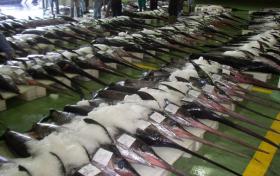
Researchers from the University of Burgos (Spain) have developed a fluorescent polymer that lights up in contact with mercury that may be present in fish. High levels of the metal were detected in samples of swordfish and tuna. According to the conclusions of another Spanish study, mercury exposure is linked to reduced foetal and placental growth in pregnant women.
The presence of the toxic metal mercury in the environment comes from natural sources, however, in the last decades industrial waste has caused an increase in concentrations of the metal in some areas of the sea. In the food chain, mercury can be diluted either in organic form as methylmercury (MeHg+) or as an inorganic salt, the cation Hg2+.
>> Read the Full Article
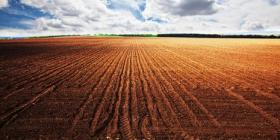
As a result of climate change, concentrations of the trace element selenium in soils are likely to decrease. Because the selenium content of crops may also be reduced, the risk of selenium deficiency could be increased in many regions of the world. This was shown by a recent study which used data-mining to model the global distribution of selenium.
Selenium is an essential micronutrient obtained from dietary sources such as cereals. The selenium content of foodstuffs largely depends on concentrations in the soil: previous studies have shown that low selenium concentrations are associated with high pH and oxygen availability and low clay and soil organic carbon content. In Europe, as is known from regional studies, selenium-poor soils are found particularly in Germany, Denmark, Scotland, Finland and certain Balkan countries.
>> Read the Full Article
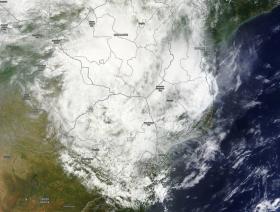
Late on Feb. 15, Dineo made landfall in southern Mozambique. By Feb. 17 the storm weakened to a remnant low pressure area when NASA's Terra satellite passed overhead. The Moderate Resolution Imaging Spectroradiometer or MODIS instrument aboard Terra captured a visible image that showed the center of the low pressure area over Zimbabwe and clouds extended over found Dineo's clouds stretched over southern Mozambique, Swaziland, eastern Botswana and northeastern South Africa.
>> Read the Full Article
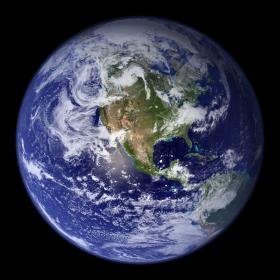
A new scientific paper by a University of Maryland-led international team of distinguished scientists, including five members of the National Academies, argues that there are critical two-way feedbacks missing from current climate models that are used to inform environmental, climate, and economic policies. The most important inadequately-modeled variables are inequality, consumption, and population.
>> Read the Full Article
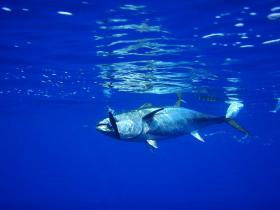
A study by Manchester and Stanford scientists into the effects on fish of a 2010 oil disaster could shed new light on how air pollution affects humans’ hearts.
The 2010 Deepwater Horizon disaster resulted in a major oil spill in the Gulf of Mexico, an area of water which is heavily populated with fish species. In a paper published in Nature Scientific Reports, the team analysed the effects of individual components of crude oil on the hearts of fish.
>> Read the Full Article