
For birds and other wildlife, winter is a time of resource scarcity.
 ENN
Environmental News Network -- Know Your Environment
ENN
Environmental News Network -- Know Your Environment

For birds and other wildlife, winter is a time of resource scarcity.
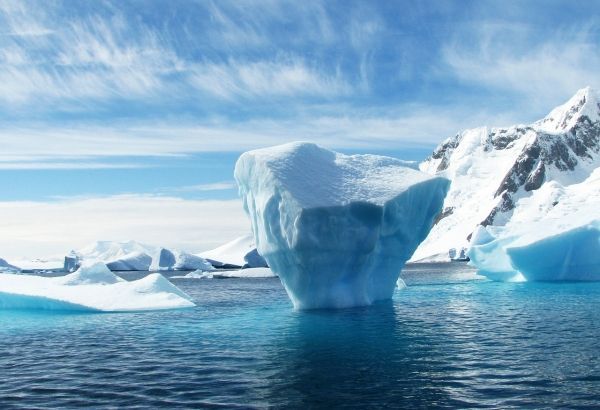
Under global warming, tipping elements in the Earth system can destabilize each other and eventually lead to climate domino effects.

It’s strawberry season in many parts of the U.S, and supermarkets are teeming with these fresh heart-shaped treats.
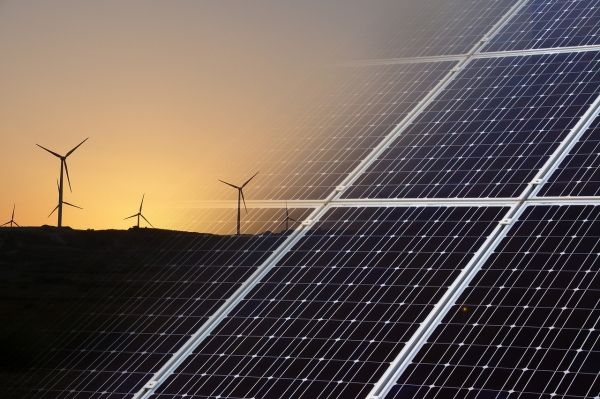
At the upcoming Conference of the Parties (COP26) in November, ample discussion is likely to focus on how the world is not on track to meet the Paris Agreement’s goals of stopping warming at well below 2°C.

Global oceans absorb about 25% of the carbon dioxide released into the atmosphere when fossil fuels are burned.
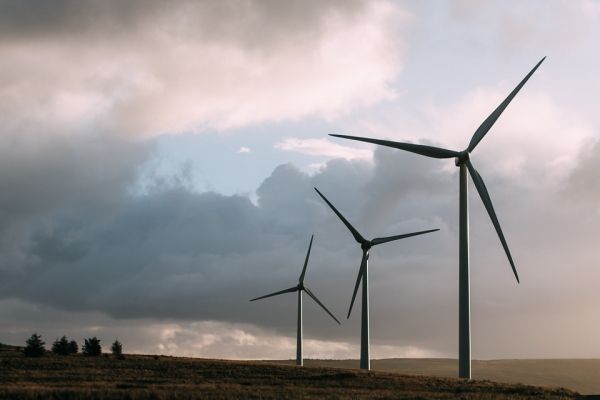
More and more countries are promoting the expansion of wind farms at sea to support the transformation towards a carbon neutral energy production.



