
With global warming decreasing the size of New Zealand’s alpine zone, a University of Otago study found out what this means for our altitude-loving kea.
 ENN
Environmental News Network -- Know Your Environment
ENN
Environmental News Network -- Know Your Environment

With global warming decreasing the size of New Zealand’s alpine zone, a University of Otago study found out what this means for our altitude-loving kea.
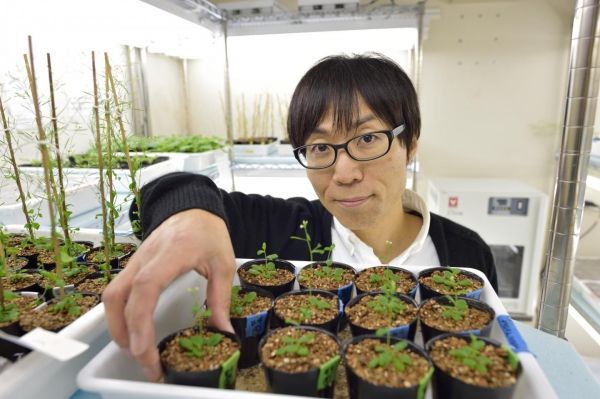
Scientists from Japan, Europe and the USA have described a pathway leading to the accelerated flowering of plants in low-nitrogen soils.
The ancient burrowers of the seafloor have been getting a bum rap for years.
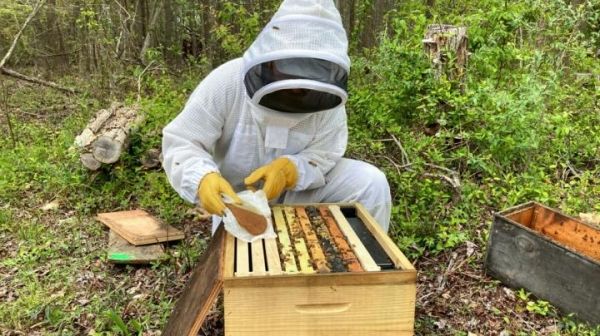
A Cornell-developed technology provides beekeepers, consumers and farmers with an antidote for deadly pesticides, which kill wild bees and cause beekeepers to lose around a third of their hives every year on average.
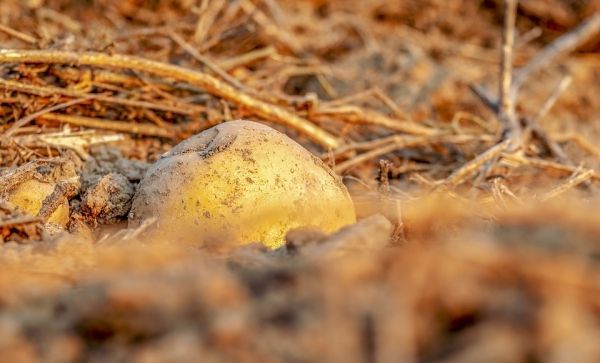
The world’s plants, immobile and rooted in soil which contains potentially lethal micro-organisms, face a constant threat from invading pathogens.
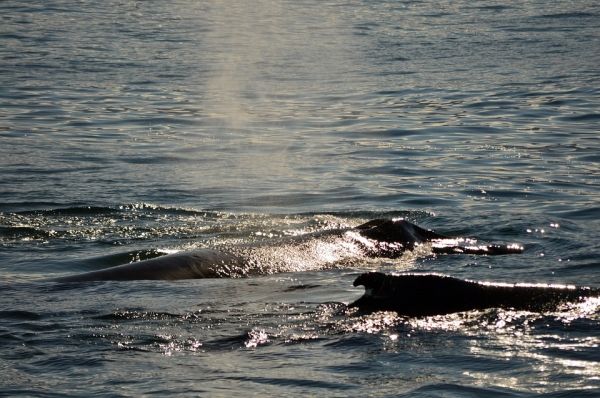
During the era of commercial whaling, fin whales were hunted so intensively that only a small percentage of the population in the Southern Hemisphere survived, and even today, marine biologists know little about the life of the world’s second-largest whale.



