
The Miscanthus genus of grasses, commonly used to add movement and texture to gardens, could quickly become the first choice for biofuel production.
 ENN
Environmental News Network -- Know Your Environment
ENN
Environmental News Network -- Know Your Environment

The Miscanthus genus of grasses, commonly used to add movement and texture to gardens, could quickly become the first choice for biofuel production.

Warm river habitats appear to play a larger than expected role supporting the survival of cold-water fish, such as salmon and trout, a new Oregon State University-led study published today found.
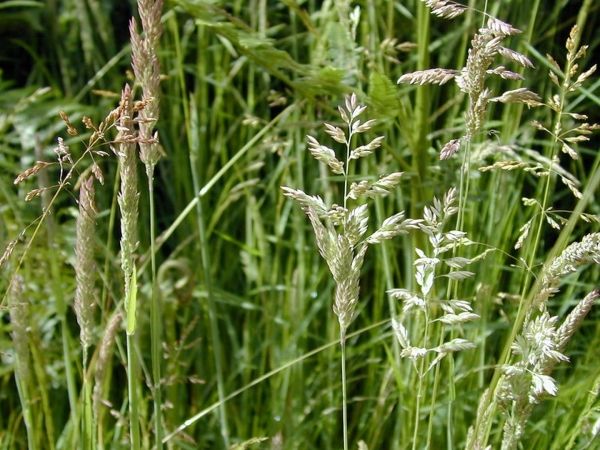
The rise in atmospheric carbon dioxide concentration and concurrent climate change has led to yield reductions of grass-rich grassland vegetation in the past century.
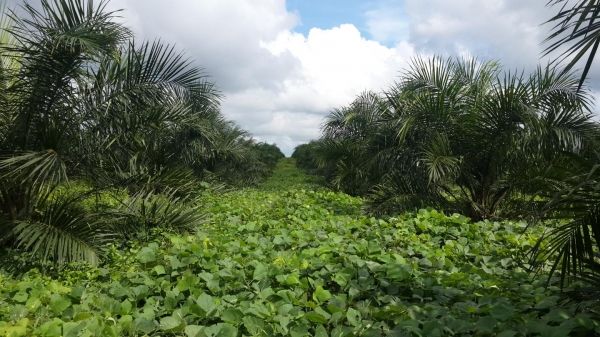
Palm oil, the most important source of vegetable oil in the world, is derived from the fruit of perennial palm trees, which are farmed year-round in mostly tropical areas.

Floating solar farms could help to protect lakes and reservoirs from some of the harms of climate change, a new study suggests.

University of Texas at Dallas researchers have discovered that a novel surface they developed to harvest water from the air encourages tiny water droplets to move spontaneously into larger droplets.