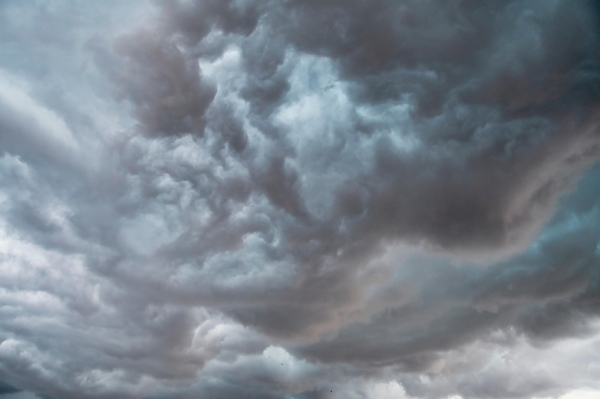
While long-term data shows that Hawaiʻi is getting drier overall, short, intense downpours that cause sudden, dangerous flash floods are getting stronger in the islands, according to a new study by researchers at the University of Hawaiʻi at Mānoa.
 ENN
Environmental News Network -- Know Your Environment
ENN
Environmental News Network -- Know Your Environment

While long-term data shows that Hawaiʻi is getting drier overall, short, intense downpours that cause sudden, dangerous flash floods are getting stronger in the islands, according to a new study by researchers at the University of Hawaiʻi at Mānoa.
Bladder cancer claims 220,000 lives globally each year, with symptoms sometimes mistaken for other conditions such as kidney stones.
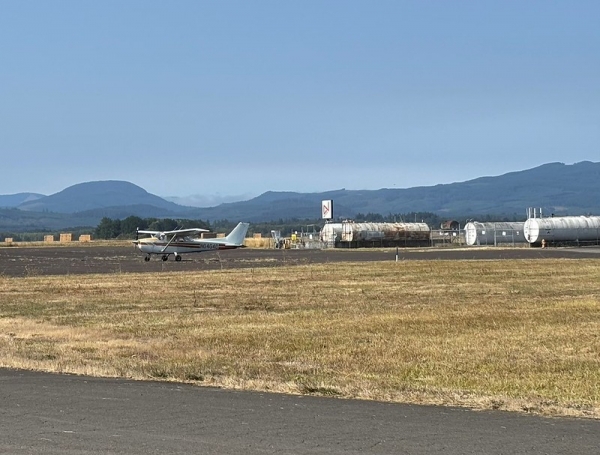
Emissions from aircraft that use leaded aviation gasoline are a significant source of environmental pollution in neighborhoods near regional airports, a new study by researchers at Oregon State University and Portland State University has found.
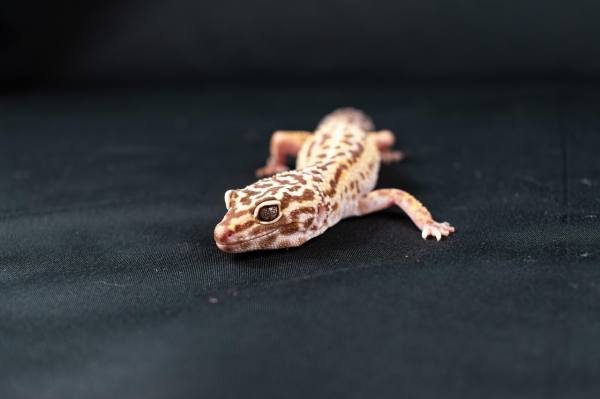
Many lizards have nanoscopic hairs covering their bodies. A study by Kiel University shows that these structures may help them survive in the desert.
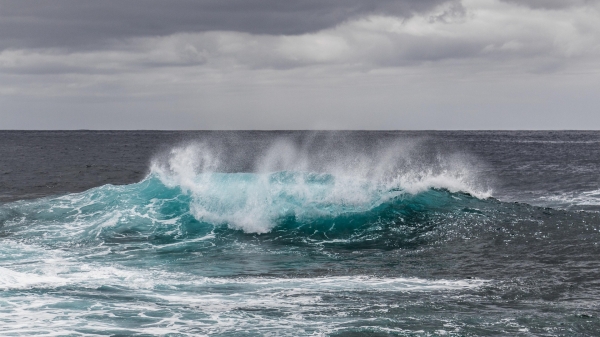
A current system in the Atlantic Ocean that shapes regional climates and distributes ocean nutrients also serves as a control knob to help regulate temperatures across the planet, new research has found.

A new project led by the University of Hawaiʻi at Mānoa will use artificial intelligence (AI) to help predict how rising seas and stronger storms could threaten coastal freshwater supplies and ecosystems.



