The search for renewable energy sources, which include wind, solar, hydroelectric dams, geothermal, and biomass, has preoccupied scientists and policymakers alike, due to their enormous potential in the fight against climate change.
 ENN
Environmental News Network -- Know Your Environment
ENN
Environmental News Network -- Know Your Environment

The search for renewable energy sources, which include wind, solar, hydroelectric dams, geothermal, and biomass, has preoccupied scientists and policymakers alike, due to their enormous potential in the fight against climate change.
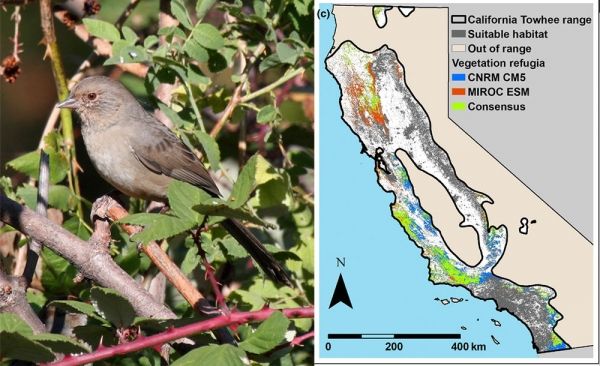
Some landscapes can hold their own against climate change better than others.
Today, people around the globe will honour World Environment Day—an annual event dedicated to raising awareness and protecting the environment.
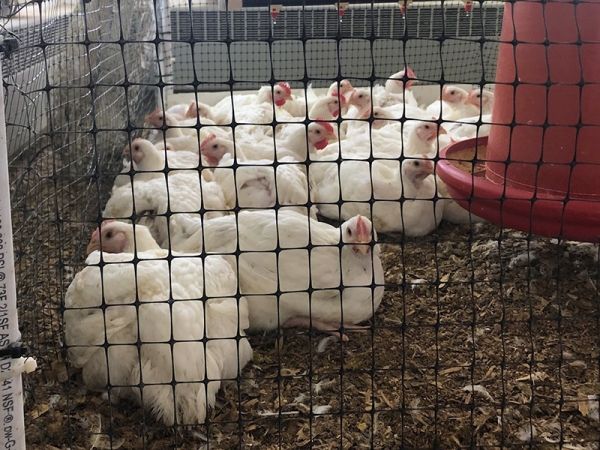
Chicken is the most consumed protein in the United States.
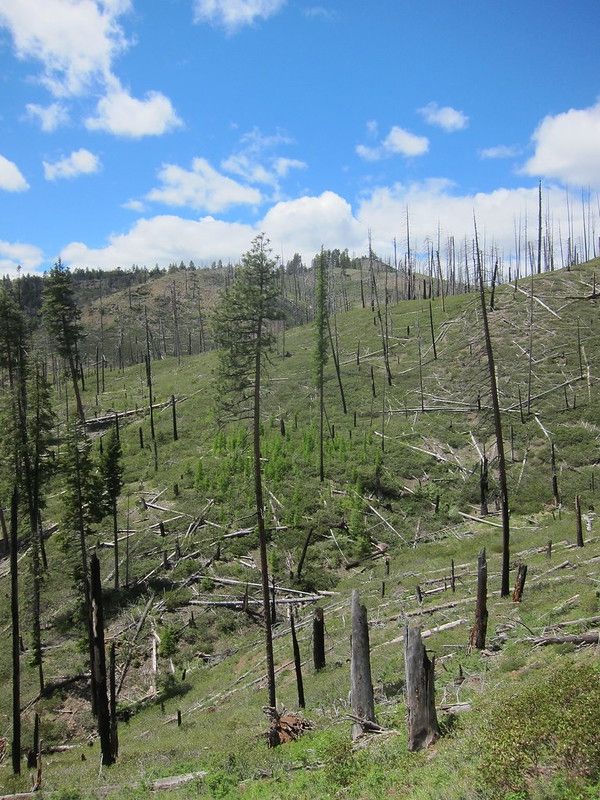
Pockets of landscape less prone than adjacent areas to disturbances like fire and drought may hold the key for scientists, conservationists and land managers seeking to preserve vulnerable species in a changing climate.
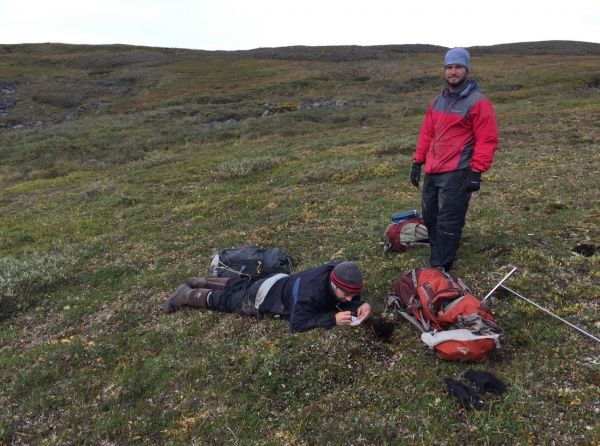
The Arctic covers about 20% of the planet.