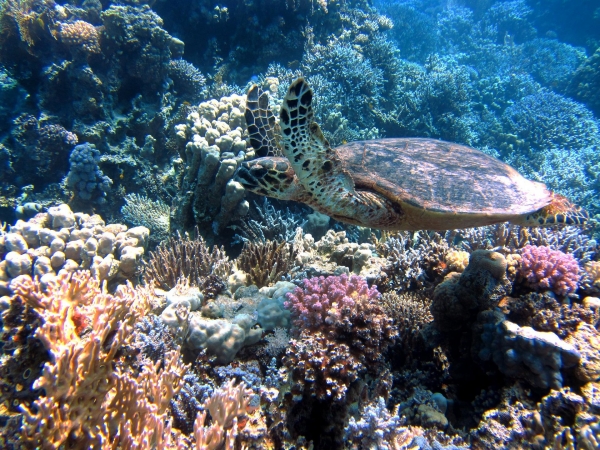
Despite previous research predicting coral species would move south to cooler waters to protect themselves, the new study – published in Molecular Ecology – has found this may not hold true on the West Coast of Australia.
 ENN
Environmental News Network -- Know Your Environment
ENN
Environmental News Network -- Know Your Environment

Despite previous research predicting coral species would move south to cooler waters to protect themselves, the new study – published in Molecular Ecology – has found this may not hold true on the West Coast of Australia.
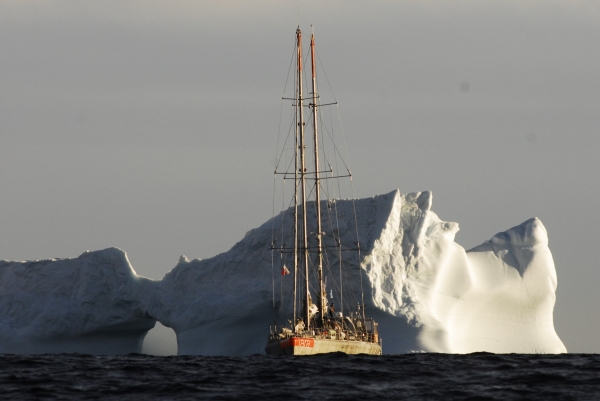
Researchers from Curtin’s WA-Organic and Isotope Geochemistry Centre (WA-OIGC) have shared the full results of the analysis of seawater samples, collected at 177 locations across the 46,100km voyage, including areas of the Southern Hemisphere not previously tested for microplastics.
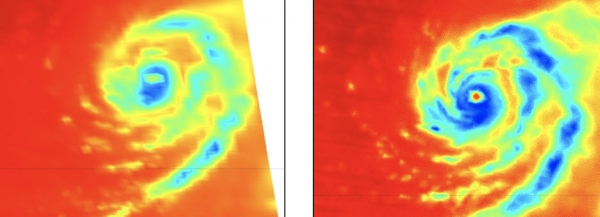
The mission is expected to help scientists understand the factors driving tropical cyclone intensification and to improve forecasting models.
A deep dive into the 5,500 marine RNA virus species scientists recently identified has found that several may help drive carbon absorbed from the atmosphere to permanent storage on the ocean floor.
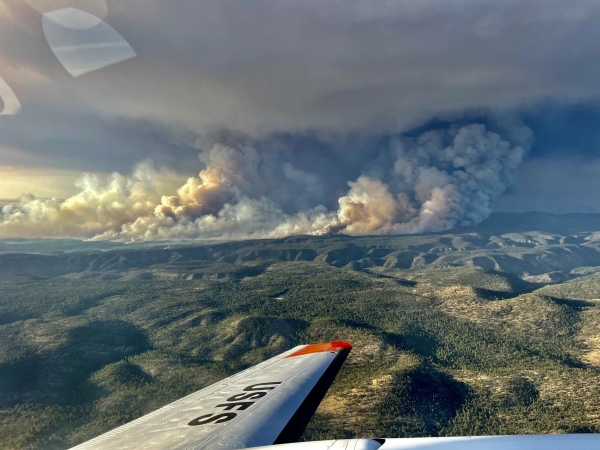
A team of scientists has developed more accurate forecasts to predict the impacts of wildfire smoke on air quality.
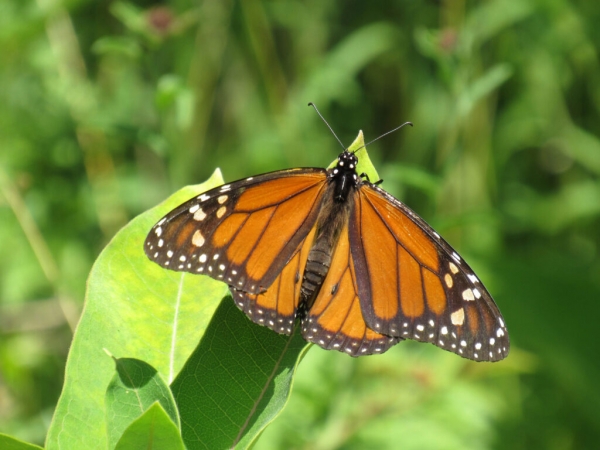
For years, scientists have warned that monarch butterflies are dying off in droves because of diminishing winter colonies.



