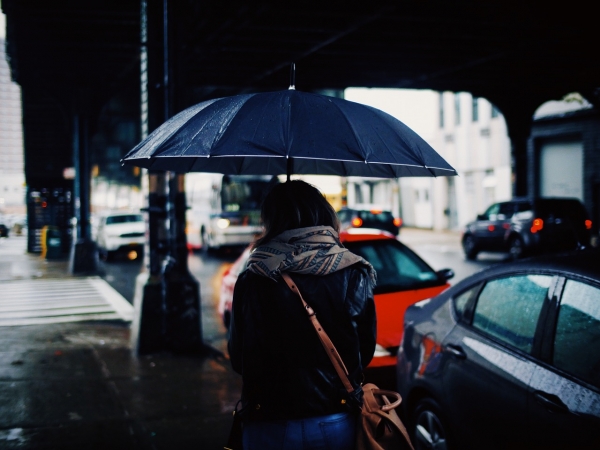
Study finds increased precipitation outpaces water loss from warmer temperatures.
 ENN
Environmental News Network -- Know Your Environment
ENN
Environmental News Network -- Know Your Environment

Study finds increased precipitation outpaces water loss from warmer temperatures.
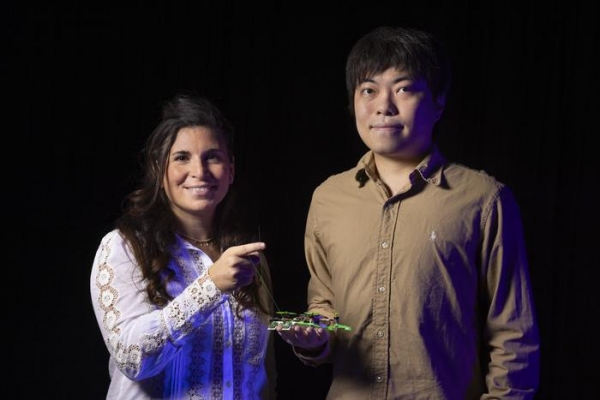
Tiny autonomous drones could soon navigate through darkness, dust and smoke using artificial whiskers inspired by animals.
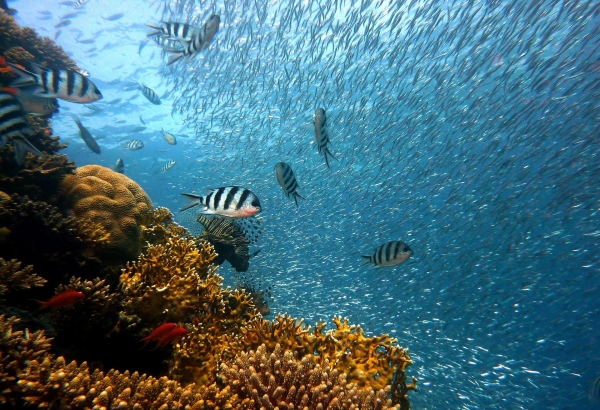
Coral reefs provide shelter and protection for nearly one quarter of ocean species, including crabs, moray eels, octopus and fish.
Researchers at the Department of Energy’s Oak Ridge National Laboratory developed a method to convert a commonly discarded hydrocarbon polymer into gasoline- and diesel-like fuels.
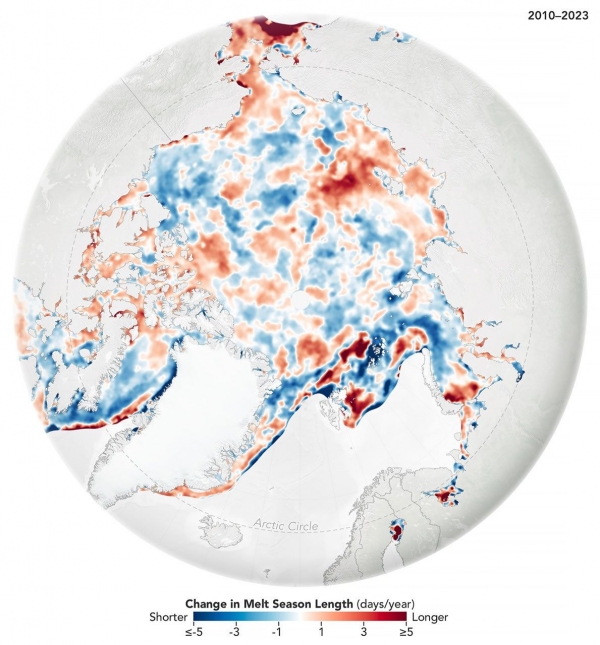
For decades, Arctic sea ice has been melting earlier in spring and freezing later in fall, extending the melt season and contributing to widespread ice loss.
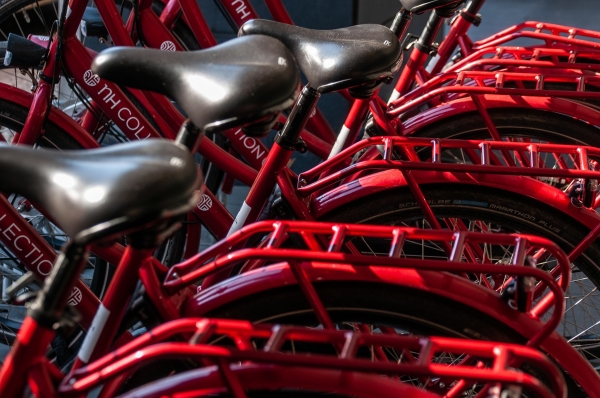
A new study found more than half of the city’s bike-share trips replace car trips, with each bike reducing annual CO₂ emissions by up 120 kilograms (kg) per year.