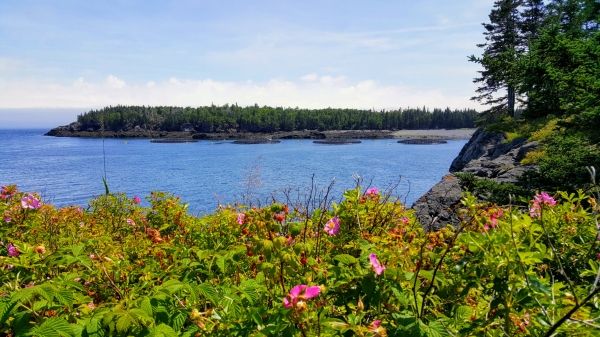
Policy reforms and technological improvements could drive seafood production upward by as much as 75% over the next three decades, research by Oregon State University and an international collaboration suggests.
 ENN
Environmental News Network -- Know Your Environment
ENN
Environmental News Network -- Know Your Environment

Policy reforms and technological improvements could drive seafood production upward by as much as 75% over the next three decades, research by Oregon State University and an international collaboration suggests.
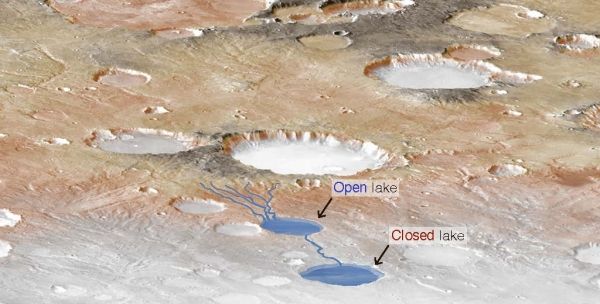
A new study from The University of Texas at Austin is helping scientists piece together the ancient climate of Mars by revealing how much rainfall and snowmelt filled its lake beds and river valleys 3.5 billion to 4 billion years ago.
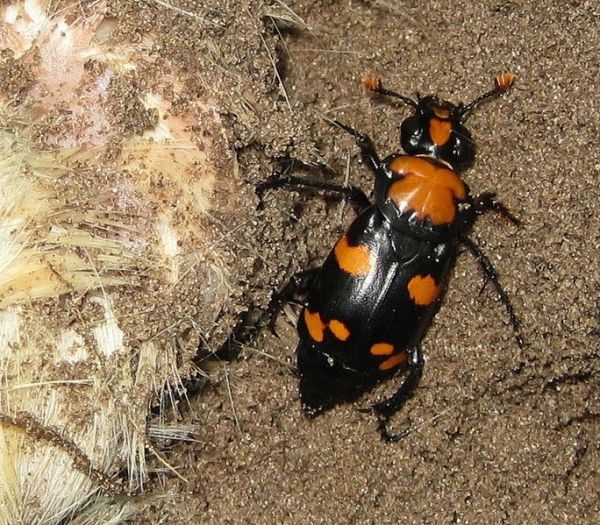
Organisms need to work together to adapt to climate change, especially in the presence of competitors, suggests a new study published today in eLife.
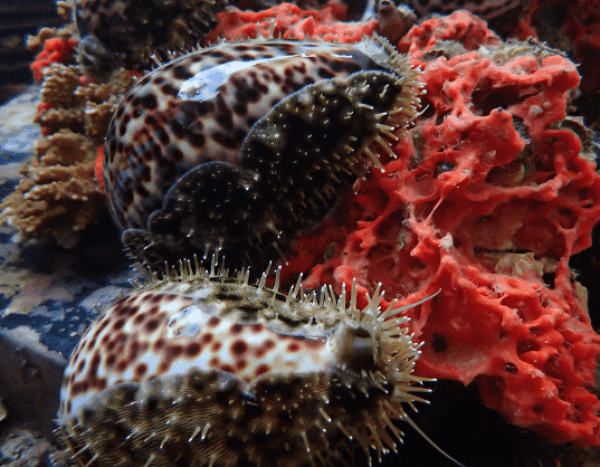
Researchers at the University of Hawai‘i (UH) at Mānoa’s Hawaiʻi Institute of Marine Biology (HIMB) have just discovered that the Hawaiian tiger cowrie (Leho-kiko in Hawaiian) is a voracious predator of alien sponges such as the Orange Keyhole sponge, which can overgrow native corals and has become a concern as it spread across reefs within Kāneʻohe Bay.

Researchers from Skoltech, INRIA and the RIKEN Advanced Intelligence Project have considered several state-of-the-art machine learning algorithms for the challenging tasks of determining the mental workload and affective states of a human brain.
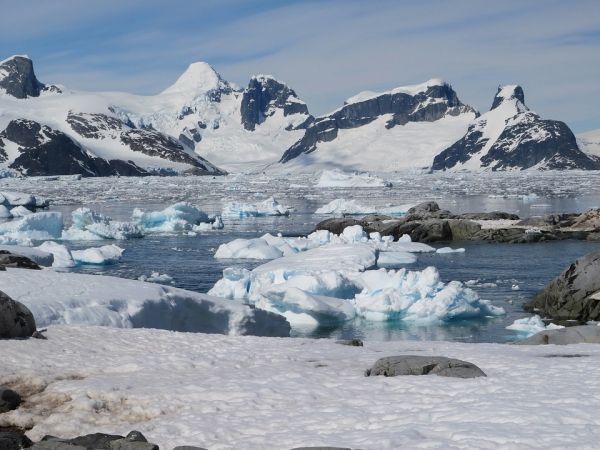
In their first follow-up to a high-profile 2017 study which showed microbes in Antarctica have a unique ability to essentially live on air, researchers from UNSW Sydney have now discovered this process occurs in soils across the world’s three poles.