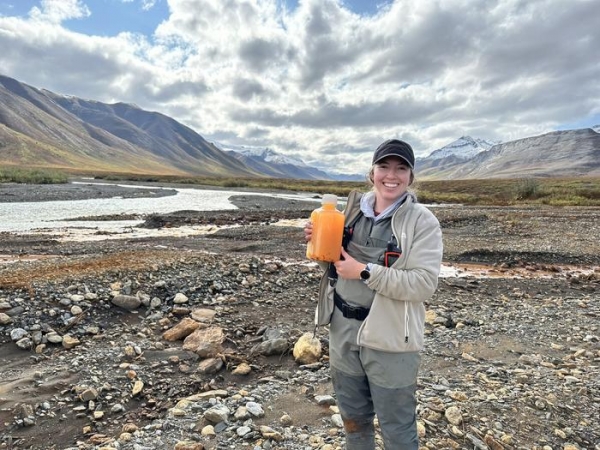
The bright orange plumes of water scientists first noticed billowing across a river in Alaska’s Brooks Range in 2018 were even more acidic and metallic than water leached from metal mines, despite their pristine surroundings.
 ENN
Environmental News Network -- Know Your Environment
ENN
Environmental News Network -- Know Your Environment

The bright orange plumes of water scientists first noticed billowing across a river in Alaska’s Brooks Range in 2018 were even more acidic and metallic than water leached from metal mines, despite their pristine surroundings.
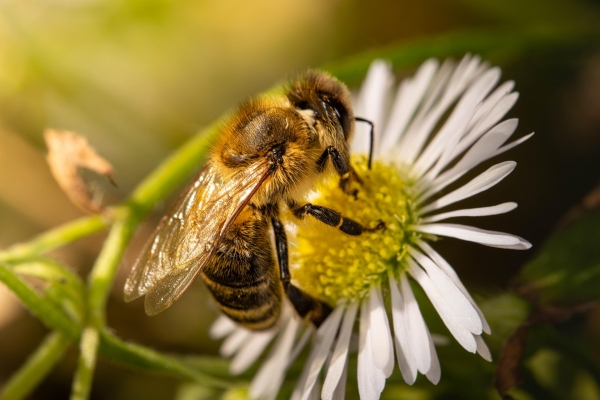
The research, published in the British Ecological Society’s Journal of Applied Ecology, has found that grazing in spring can remove much of the nectar emerging bumblebees need, while commercial honey bee hives introduced during the summer heather flowering period have a much smaller impact.

Researchers at the University of Waterloo are working with government, academic and industry partners to tackle several challenges in Ontario’s agricultural sector, including short growing seasons, rising production pressures and crops that can fail long before anyone sees warning signs.

The switch to silicon cells could also halve the weight of the solar cells needed on the spacecraft, freeing mass for fuel or instruments, or cutting launch costs.
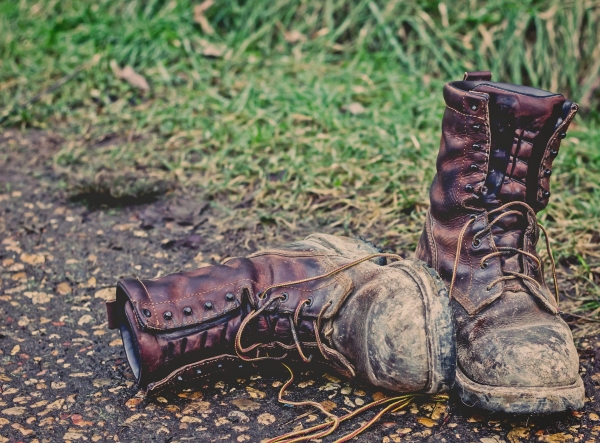
Lead contamination in soil tracked inside homes can cause dangerous indoor lead dust levels even in residences with no interior lead-based paint, according to researchers with the Rutgers Environmental, Occupational and Health Sciences Institute in collaboration with community scientists: members of the general public who participate in data collection under the direction of scientists.

Sound travels through the ocean carrying clues about potential prey, predators and other animals, giving sharks an important way to detect what they cannot yet see.