
If the virus that causes flu were an ice cream cone, then the yearly vaccine teaches the immune system to recognize just the scoop – chocolate one year, strawberry the next.
 ENN
Environmental News Network -- Know Your Environment
ENN
Environmental News Network -- Know Your Environment

If the virus that causes flu were an ice cream cone, then the yearly vaccine teaches the immune system to recognize just the scoop – chocolate one year, strawberry the next.
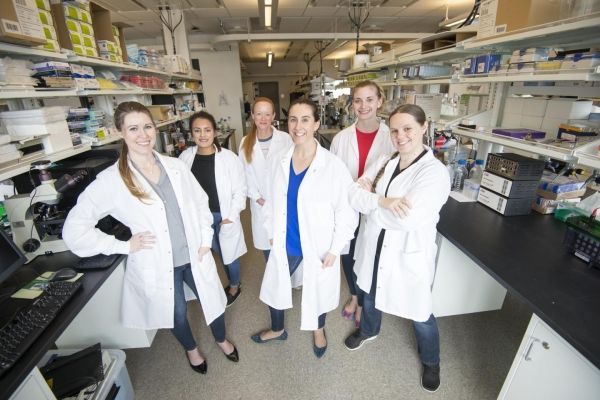
Up to 80 percent of children with autism spectrum disorder (ASD) experience sleep problems.

A science advisory from the American Heart Association describes system-wide innovations to the U.S. food system that are sustainable and have the potential to make it easier for consumers to choose healthy foods.
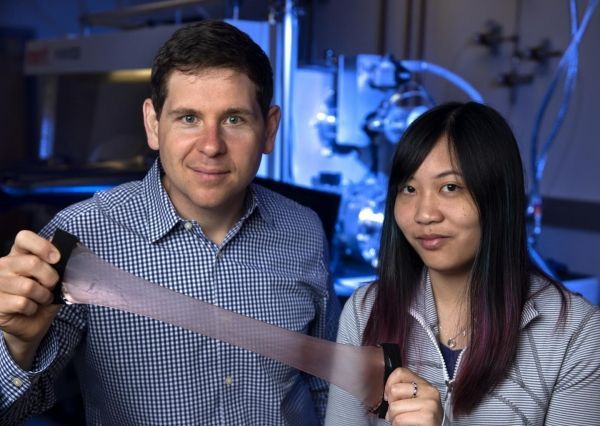
Drawing design inspiration from the skin of stealthy sea creatures, engineers at the University of California, Irvine have developed a next-generation, adaptive space blanket that gives users the ability to control their temperature.
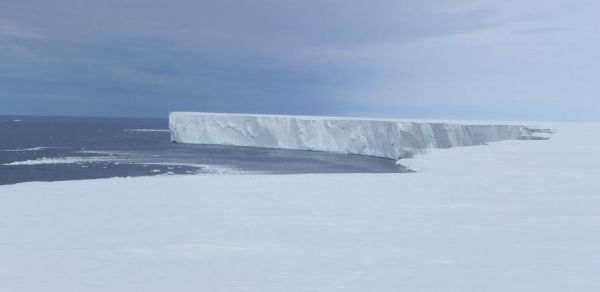
An international team of scientists has found part of the world’s largest ice shelf is melting 10 times faster than the overall ice shelf average due to solar heating of the surrounding ocean surface.

People with type 2 diabetes who received intensive treatment to keep their blood pressure levels at 130/80 mm/Hg or below had fewer heart attacks, strokes and other diabetes complications, according to a study published in the American Heart Association’s journal Hypertension.