Imagery from the VIIRS instrument aboard NASA/NOAA's Suomi NPP satellite highlights the burn scars from the Elkhorn Fire in northern California on Sep. 01, 2020.
 ENN
Environmental News Network -- Know Your Environment
ENN
Environmental News Network -- Know Your Environment

Imagery from the VIIRS instrument aboard NASA/NOAA's Suomi NPP satellite highlights the burn scars from the Elkhorn Fire in northern California on Sep. 01, 2020.

A new study published in Scientific Reports has discovered that arsenic and selenium may have been more prevalent in the early evolution of life on earth than previously thought.

In the early 1900s, brown trout and rainbow trout were introduced to southern South America for recreational fishing and early aquaculture initiatives.

Natural disasters alone are not enough to motivate local communities to engage in climate change mitigation or adaptation.
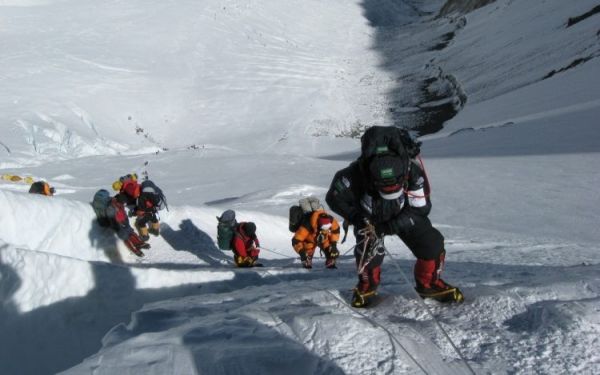
As the world’s tallest peak, Mount Everest draws more than 500 climbers each spring to attempt the summit during a small window of favorable conditions on the rugged Himalayan mountain that tops out at just over 29,000 feet.
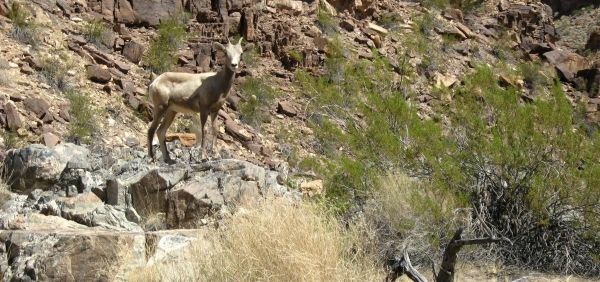
In the American Southwest, native desert bighorn sheep populations found in landscapes with minimal human disturbance.