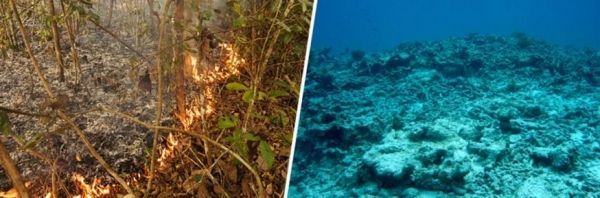
A combination of climate change, extreme weather and pressure from local human activity is causing a collapse in global biodiversity and ecosystems across the tropics, new research shows.
 ENN
Environmental News Network -- Know Your Environment
ENN
Environmental News Network -- Know Your Environment

A combination of climate change, extreme weather and pressure from local human activity is causing a collapse in global biodiversity and ecosystems across the tropics, new research shows.
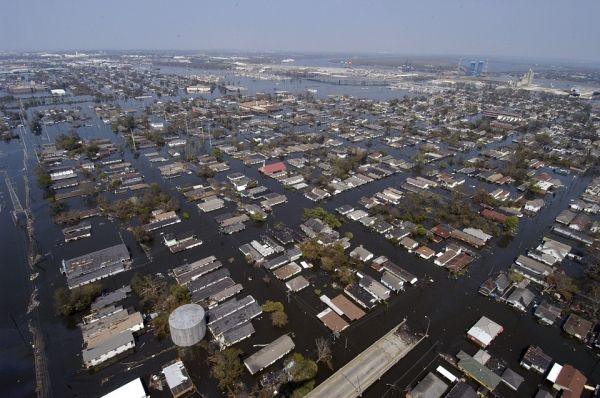
The grim effects that climate change will have on pediatric health outcomes was the focus of a “Viewpoint” article published in the Journal of Clinical Investigation by Susan E. Pacheco, MD, an expert at The University of Texas Health Science Center at Houston (UTHealth).

Cutting emissions of particular gases could improve conditions for plants, allowing them to grow faster and capture more carbon, new research suggests.
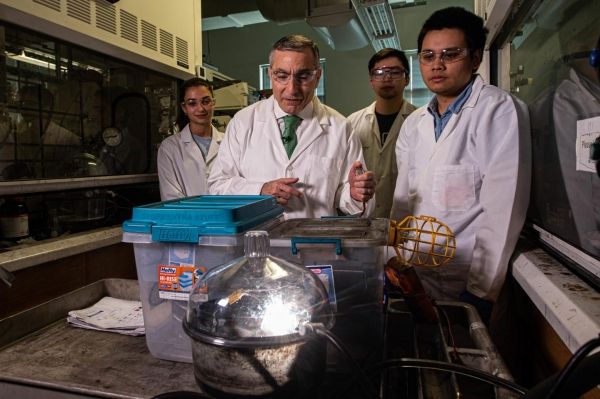
That banana peel, turned into graphene, can help facilitate a massive reduction of the environmental impact of concrete and other building materials.

The design of sophisticated new materials is undergoing brisk technological advancement.
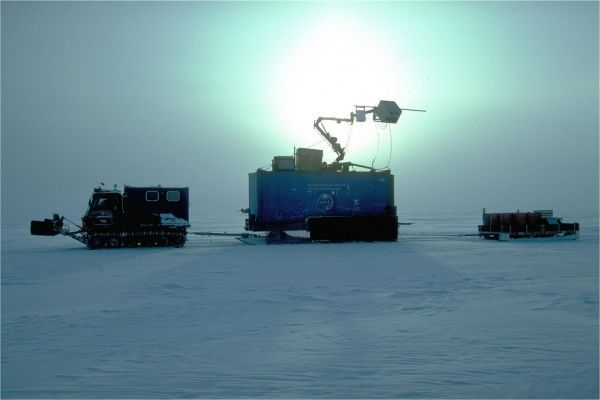
Using the latest satellite technology from the European Space Agency (ESA), scientists from the University of Bristol have been tracking patterns of mass loss from Pine Island – Antarctica’s largest glacier.