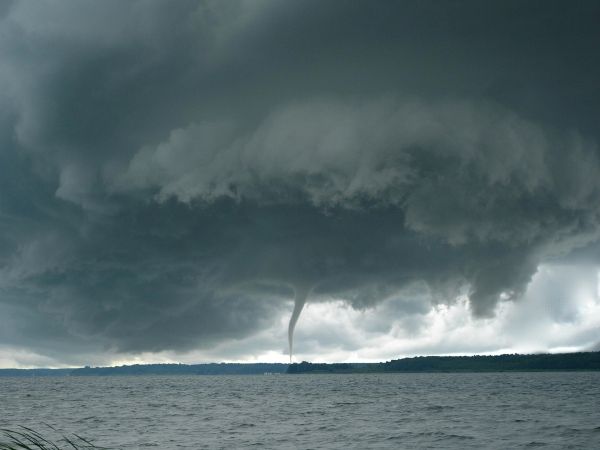
The United States experiences more tornadoes than any other country, with a season that peaks in spring or summer depending on the region.
 ENN
Environmental News Network -- Know Your Environment
ENN
Environmental News Network -- Know Your Environment

The United States experiences more tornadoes than any other country, with a season that peaks in spring or summer depending on the region.
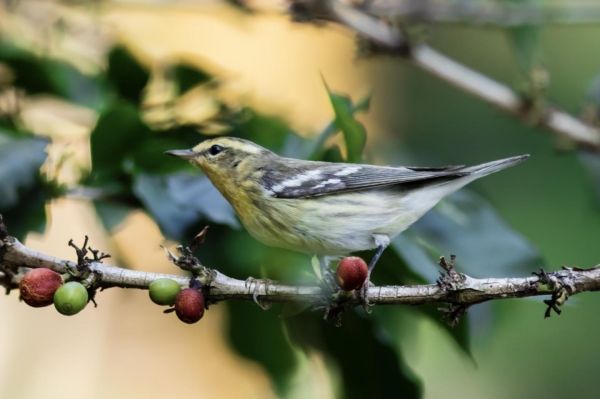
Since 1970, bird populations in North America have declined by approximately 2.9 billion birds, a loss of more than one in four birds.
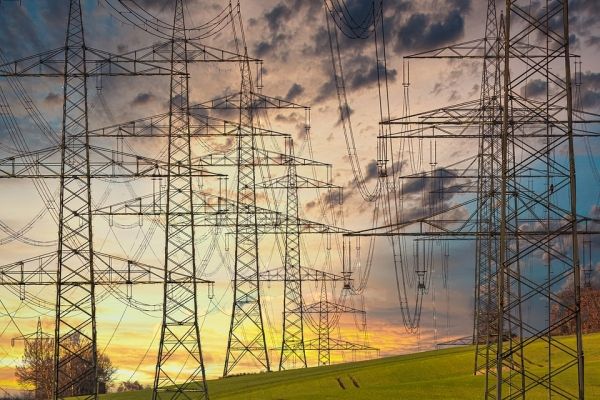
The hidden social, environmental and health costs of the energy and transport sectors is equal to more than a quarter of the globe’s entire economic output, new research from the University of Sussex Business School and Hanyang University reveals.
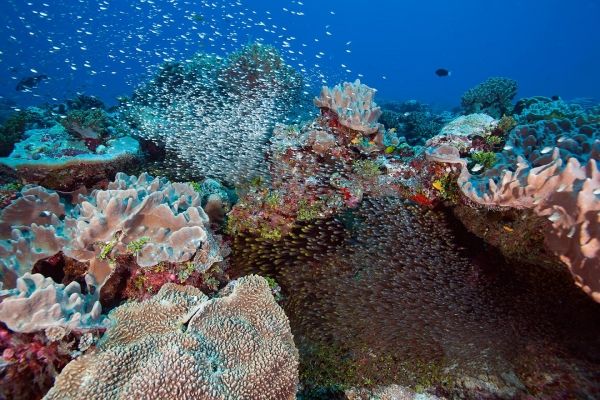
Scientists from the Khaled bin Sultan Living Oceans Foundation have published their findings on the state of coral reefs in the Chagos Archipelago, considered the last frontier for coral reefs.
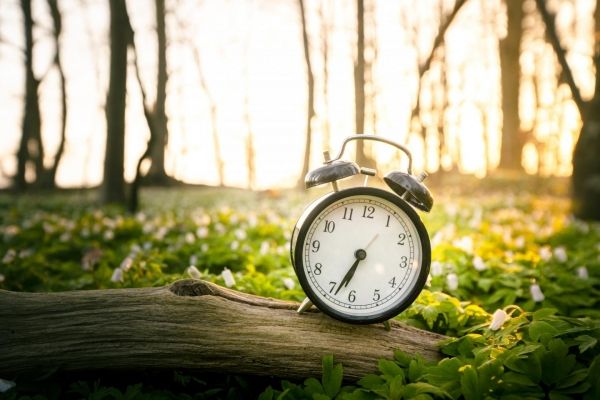
A University of Melbourne led study has established how plants use their metabolism to tell time and know when to grow - a discovery that could help leverage growing crops in different environments, including different seasons, different latitudes or even in artificial environments and vertical gardens.
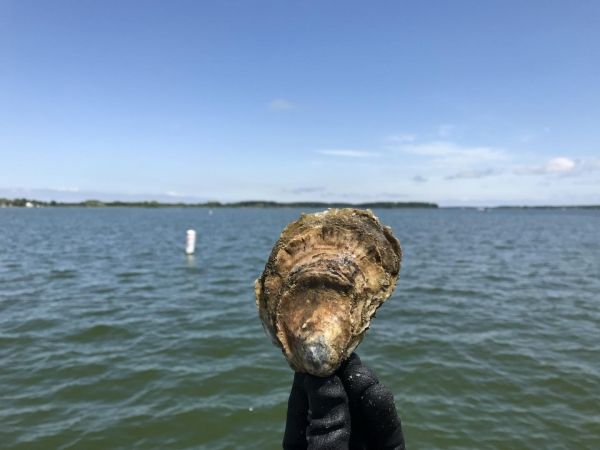
Early exposure to tough conditions—particularly warmer waters and nightly swings of low oxygen—could leave lasting scars on oysters’ ability to grow meaty tissue.