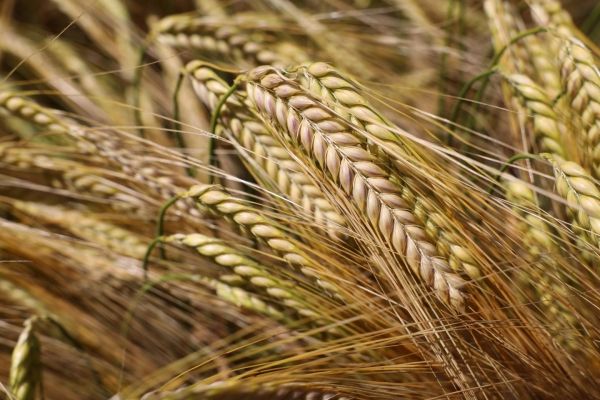
Flavor differences in whiskey can be discerned based solely on the environment in which the barley used to make the whiskey is grown, a new study co-authored by an Oregon State University researcher found.
 ENN
Environmental News Network -- Know Your Environment
ENN
Environmental News Network -- Know Your Environment

Flavor differences in whiskey can be discerned based solely on the environment in which the barley used to make the whiskey is grown, a new study co-authored by an Oregon State University researcher found.
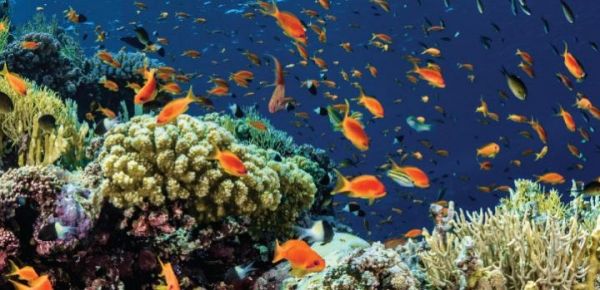
A simple but powerful idea is to improve the health of corals using cocktails of beneficial bacteria.
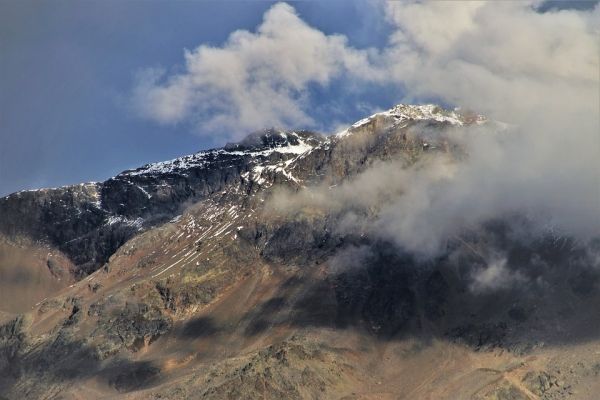
Plant responses to climate drivers such as temperature and precipitation may become visible only years after the actual climate event.
Autonomous underwater vehicles have become versatile tools for exploring the seas. But they can be disruptive to the environment or have trouble traveling through confined spaces.
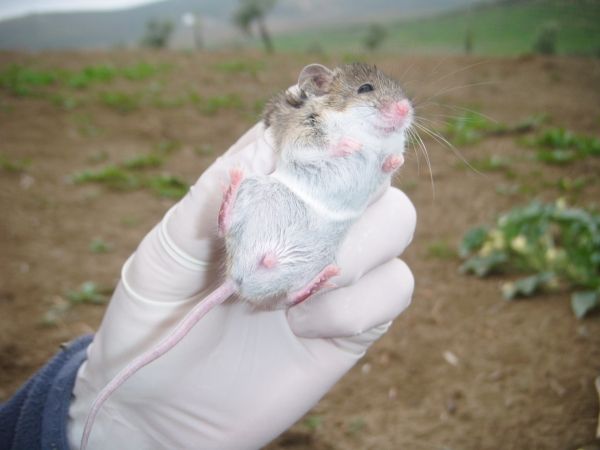
Converting the ground under electrical transmission towers into spaces for wildlife can enable fragmented populations to connect with one another, increasing local biodiversity and providing animals around the globe an important tool for adapting to climate change, a new study found.
The use of the polymeric flame retardant PolyFR in “eco-friendly” foam plastic building insulation may be harmful to human health and the environment, according to a new commentary in Environmental Science & Technology.