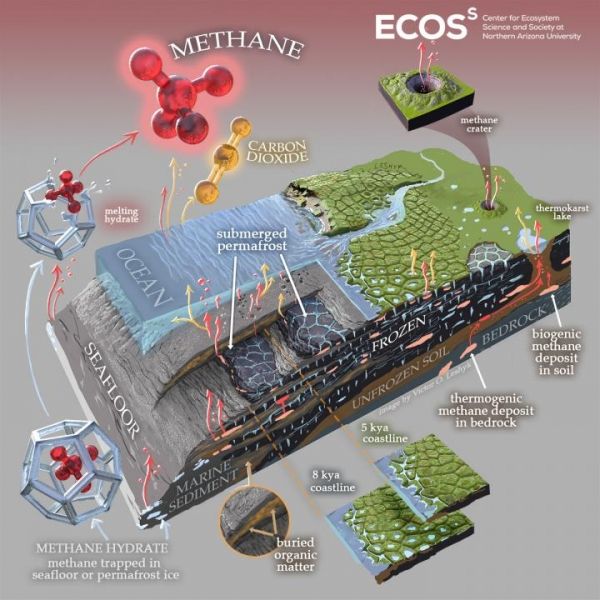
Something lurks beneath the Arctic Ocean. While it’s not a monster, it has largely remained a mystery.
 ENN
Environmental News Network -- Know Your Environment
ENN
Environmental News Network -- Know Your Environment

Something lurks beneath the Arctic Ocean. While it’s not a monster, it has largely remained a mystery.
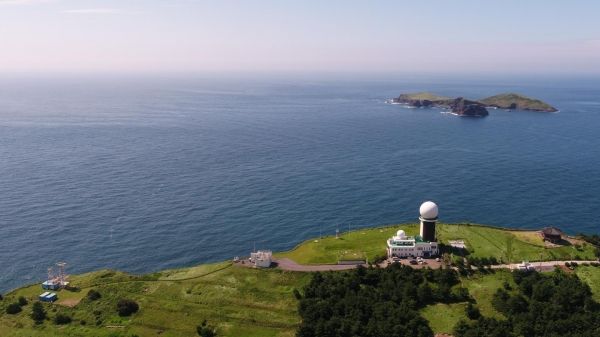
Global emissions of a potent substance notorious for depleting the Earth’s ozone layer – the protective barrier which absorbs the Sun’s harmful UV rays – have fallen rapidly and are now back on the decline, according to new research.
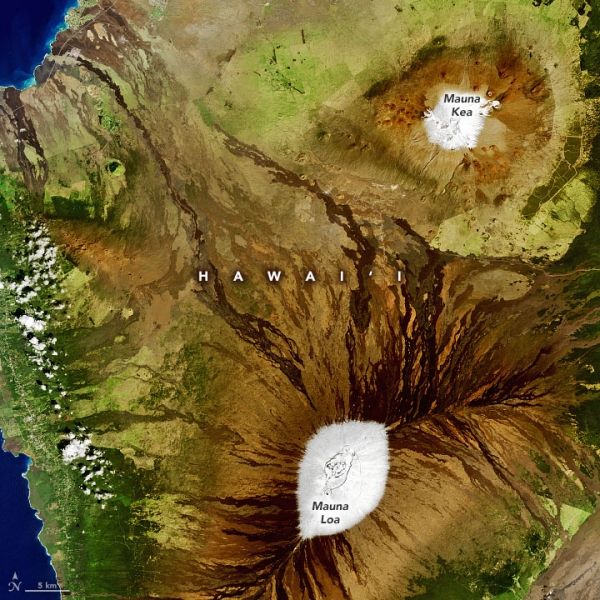
Three storms in three weeks have left abundant snow atop Hawaii’s tallest volcanic mountains.
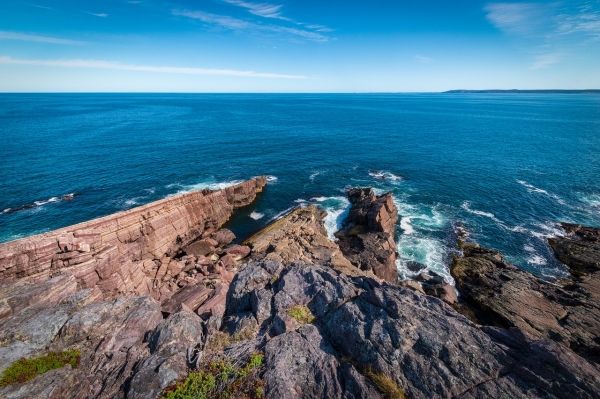
Overfishing, hunting and intensive agriculture and forestry can sometimes contribute to plants and animals becoming endangered.
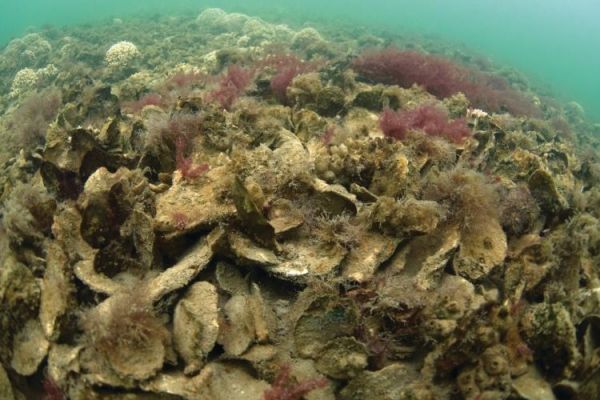
Despite challenges due to the pandemic, NOAA and partners continue restoration efforts in Maryland and Virginia.
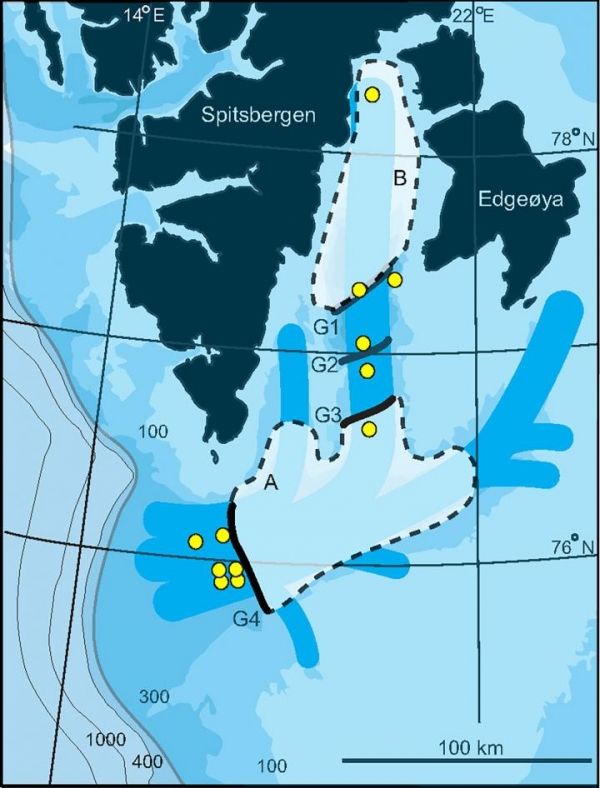
10,000 km2 of ice disappeared in a blink of an eye from an ice sheet in the Storfjorden Through offshore Svalbard, a new study shows.