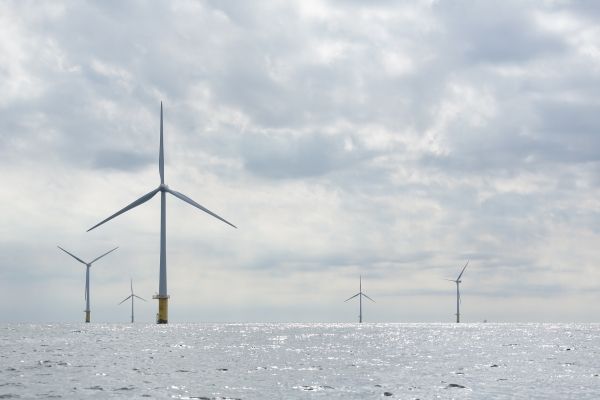
Denmark has approved a plan to build an artificial island 50 miles offshore in the North Sea to act as a clean energy hub that produces and stores wind energy , several news outlets reported.
 ENN
Environmental News Network -- Know Your Environment
ENN
Environmental News Network -- Know Your Environment

Denmark has approved a plan to build an artificial island 50 miles offshore in the North Sea to act as a clean energy hub that produces and stores wind energy , several news outlets reported.
Plastics made from crops such as maize or sugarcane instead of fossil fuels are generally considered sustainable.
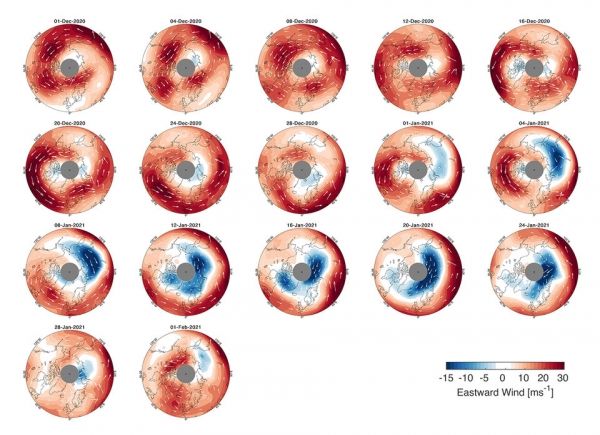
Aeolus is the first satellite in orbit to profile directly Earth’s winds from space.
Rain falls lightly on the ocean’s surface. Marine mammals chirp and squeal as they swim along.
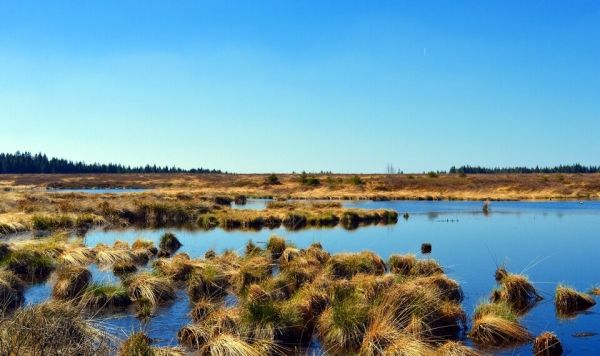
Celebrated annually on 2 February, World Wetlands Day aims to raise global awareness about the importance of wetlands for our planet.
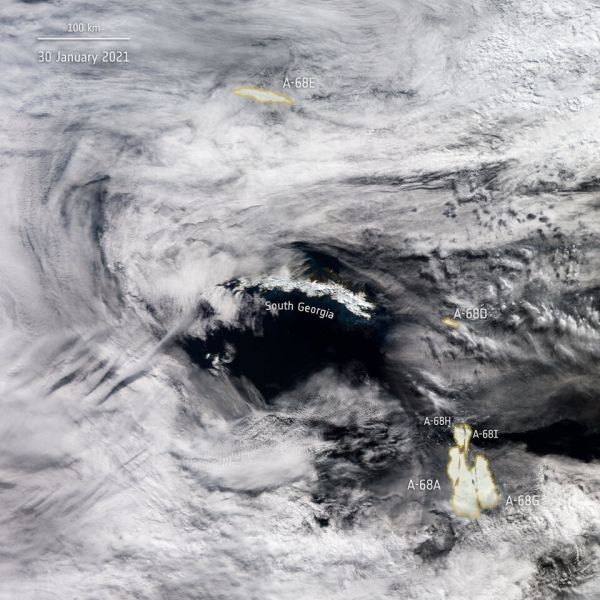
Satellite images have revealed that the once colossal A-68A iceberg has had yet another shattering experience.