Transportation-related emissions are increasing globally.
 ENN
Environmental News Network -- Know Your Environment
ENN
Environmental News Network -- Know Your Environment

Transportation-related emissions are increasing globally.
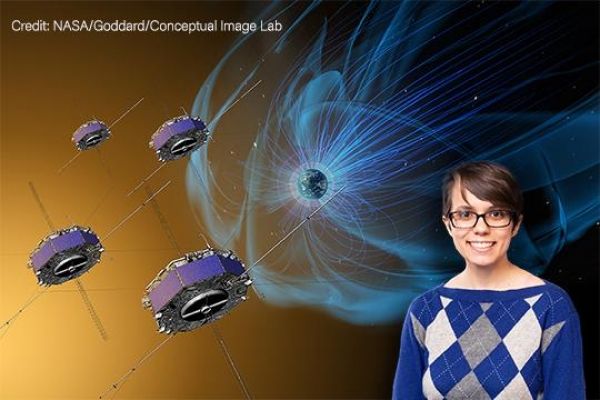
When fast-moving particles from the sun strike the Earth’s magnetic field, they set off reactions that could disrupt communications satellites and power grids.
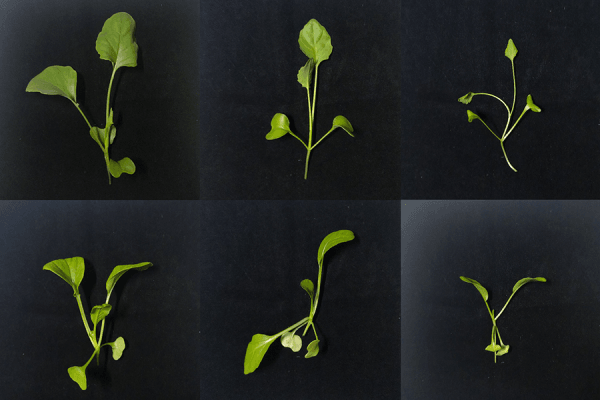
Researchers from the Disruptive and Sustainable Technologies for Agricultural Precision (DiSTAP) Interdisciplinary Research Group within the Singapore-MIT Alliance for Research and Technology (SMART), MIT’s research enterprise in Singapore, and Temasek Life Sciences Laboratory (TLL) have discovered a way to use Raman spectroscopy for early detection of shade avoidance syndrome (SAS) in plants.
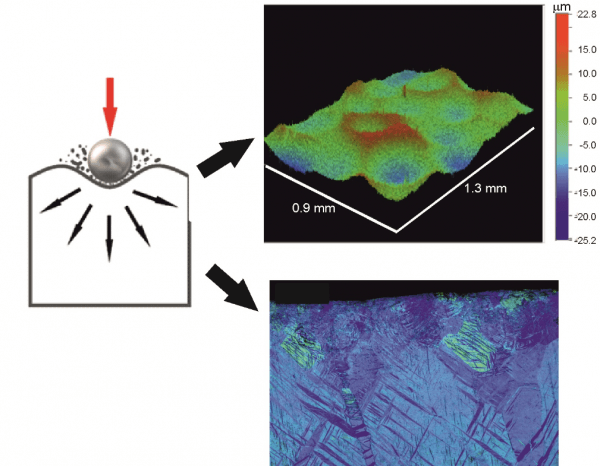
Materials used in biomedicine must be characterized by controlled biodegradability, sufficient strength and total absence of toxicity to the human body.

Despite Americans’ increased dependence on cell phones and other technology, the amount of electronic waste generated in the United States has shrunk 10 percent since 2015.

One building was made to see it all.