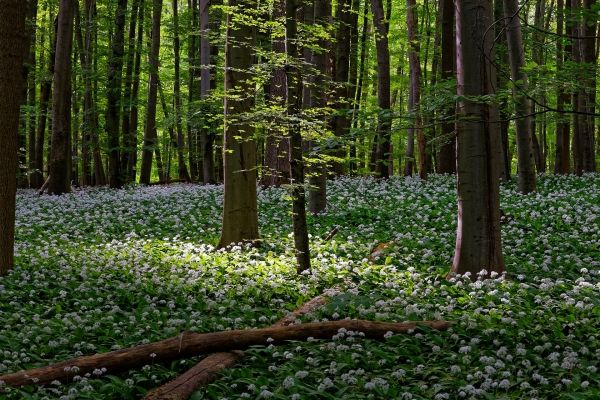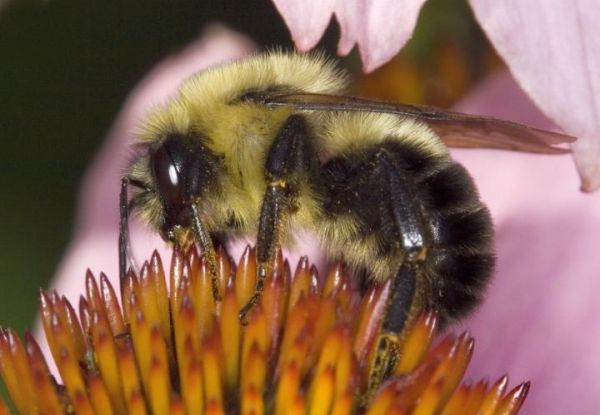
Bumble bees found in low-quality landscapes — characterized by a relative lack of spring flowers and quality nesting habitat — had higher levels of disease pathogens, as did bumble bees in areas with higher numbers of managed honey bee hives, according to research led by Penn State scientists.
articles
Scientists Shine Light on ‘Bright Spots’ to Restore Coastal Ecosystems
Dr Megan Saunders, CSIRO Oceans and Atmosphere Senior Research Scientist, said successful coastal restoration efforts could be achieved over large areas, deliver positive impacts for decades, expand restored areas by up to 10-times in size, and generate jobs.
Droughts, Viruses and Road Networks: Trends That Will Impact our Forests
Earth’s forests are indispensable for both humans and wildlife: they absorb CO2, provide food for large parts of the world's population and are home to all sorts of animals. In a new agreement, the Danish government has set aside 888 million kroner to protect nature and biodiversity.
Hydrogen-Supported Life Beneath Glaciers the Subject of MSU Team’s Recent Publication
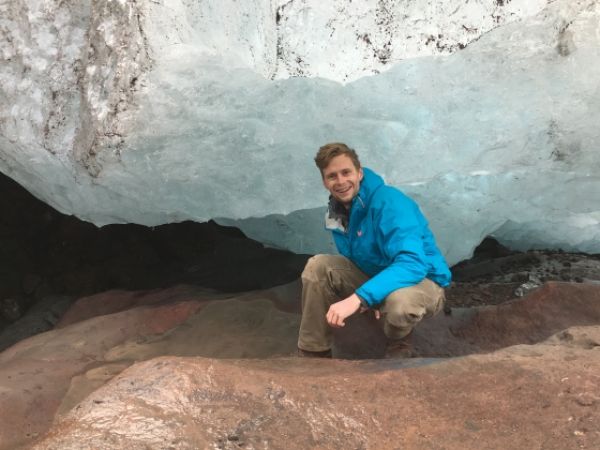
Researchers discover microbial communities creating biomass underneath glaciers
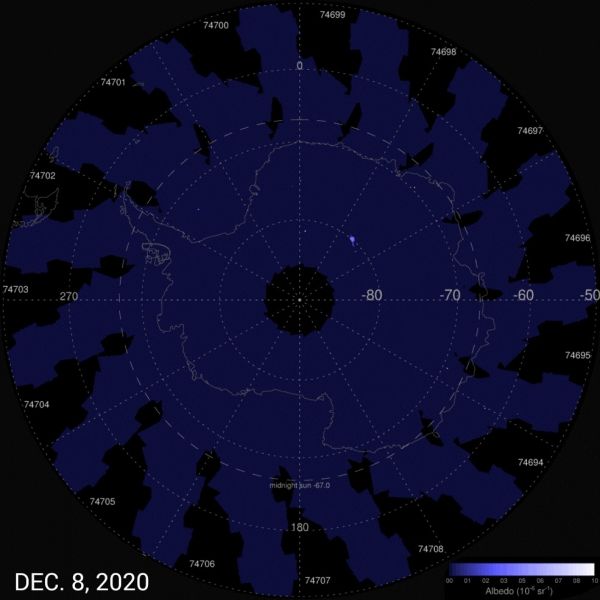
NASA’s AIM Sees First Night-Shining Clouds of Antarctic Summer
Summer in Antarctica is marked by days in which the Sun never sets, balmy temperatures that hover as high as freezing, and electric-blue clouds of ice.
The Cooler Sister Returns
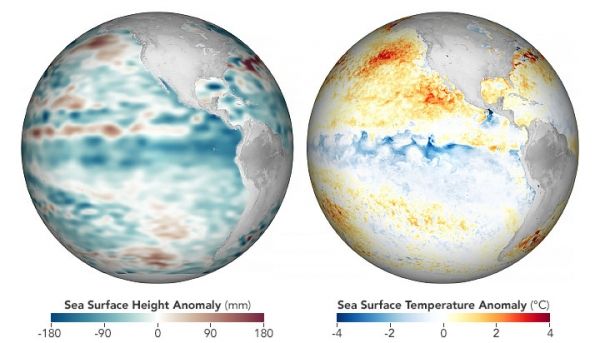
The current La Niña event fits into a larger climate pattern that has been going on for nearly two decades.