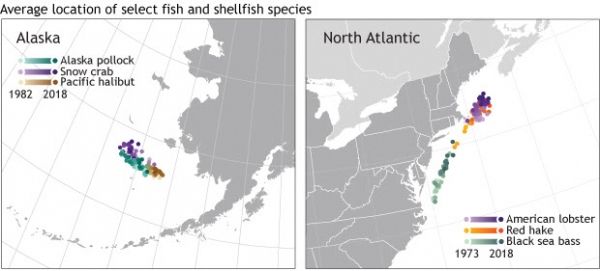
In waters off the Northeast, fish and shellfish are moving northward at a significant rate.
 ENN
Environmental News Network -- Know Your Environment
ENN
Environmental News Network -- Know Your Environment

In waters off the Northeast, fish and shellfish are moving northward at a significant rate.
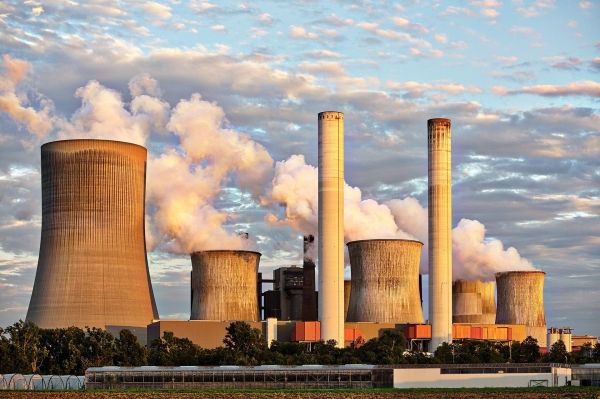
Countries across the globe have been struggling to deal with the impact of Covid-19 and its accompanying economic slowdown.
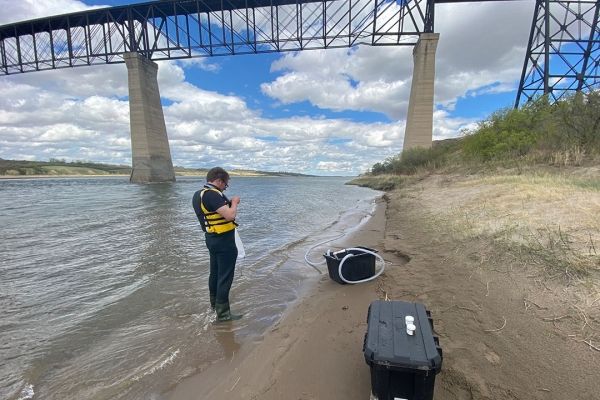
How big of a problem is the issue of microplastics in our surface water?
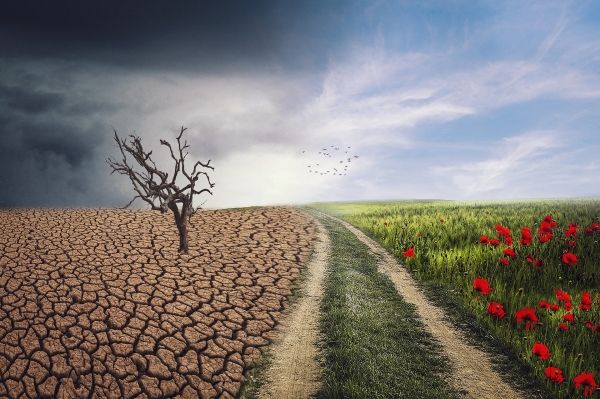
Climate change is an emotionally charged topic that can stir political arguments and inspire people to take action. How people talk about it, especially news media and organizations dedicated to combating the issue, can influence how people think about climate change, a University of Kansas researcher shows in a pair of new studies.
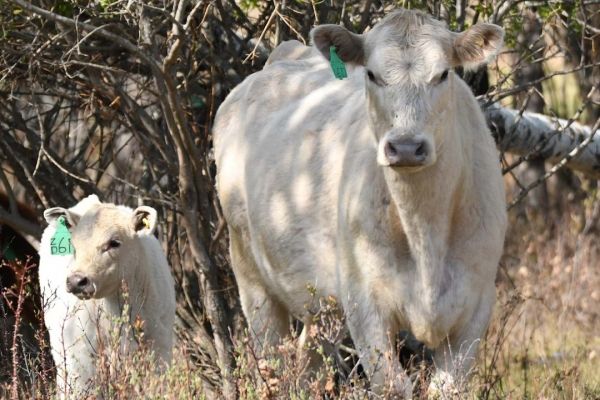
Backed by $2 million from the federal government and partner organizations, University of Saskatchewan (USask) researchers aim to make Arctic pipelines stronger and safer, protect the food supply, and improve crop processing with cutting-edge technology.
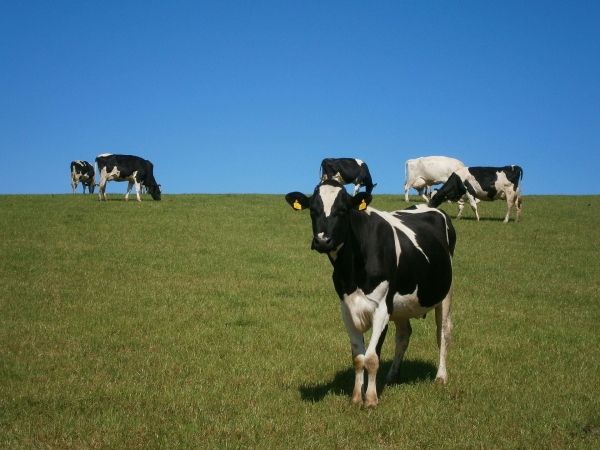
Dairy cows, exposed for a few years to drinking water contaminated with heavy metals, carry more pathogens loaded with antimicrobial-resistance genes able to tolerate and survive various antibiotics.