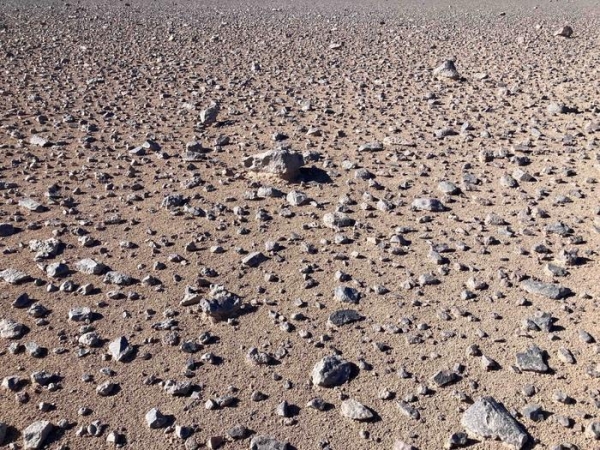
Researchers from the University of Osaka use artificial intelligence and nanotechnology to detect amino acid biosignatures.
 ENN
Environmental News Network -- Know Your Environment
ENN
Environmental News Network -- Know Your Environment

Researchers from the University of Osaka use artificial intelligence and nanotechnology to detect amino acid biosignatures.
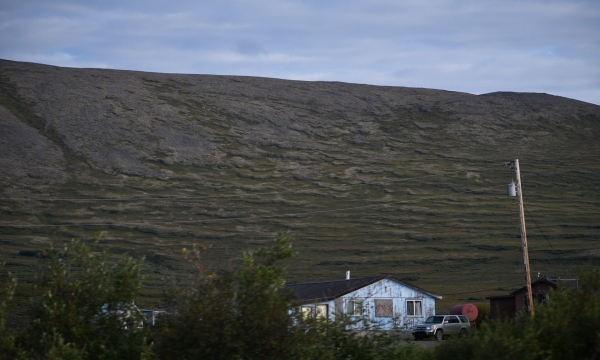
URochester researchers use mathematical modeling to explore how wave-like soil patterns form—and what they could reveal about landscape stability.
A steady “snowfall” of tiny particles carries carbon, nutrients and pollution from the ocean’s surface toward the deep sea.
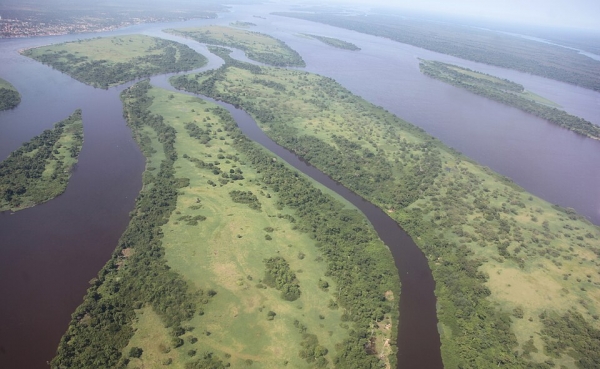
A team from the University of Lausanne has developed a new approach to better understand the carbon cycle in the Congo’s peatlands, one of our planet’s lungs.
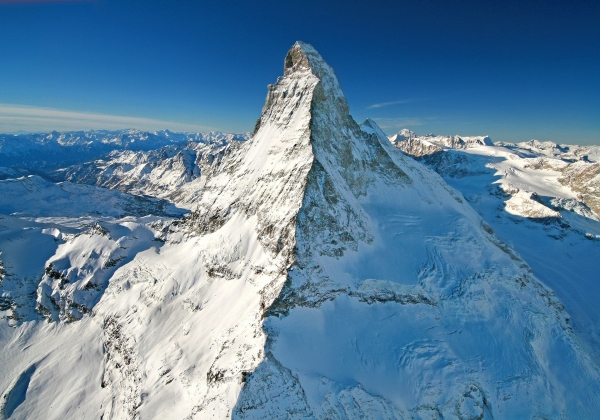
Ancient ice trapped within an ice cap in Northwestern Tibet appears to preserve fragments from the last ice age, extending Earth’s glacial record by over 100,000 years and making them the oldest ice cores ever recovered from the region, according to a new study.
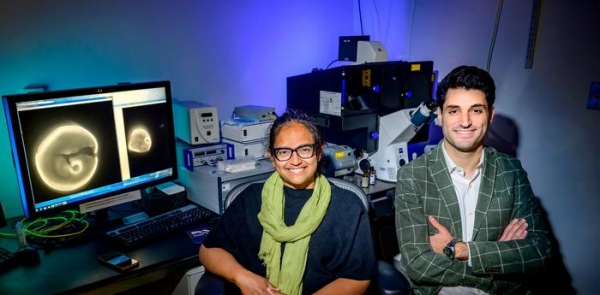
Scientists used machine-learning and super-resolution microscopy to overcome a challenge that has stymied research into the natural history of grasses for decades.



