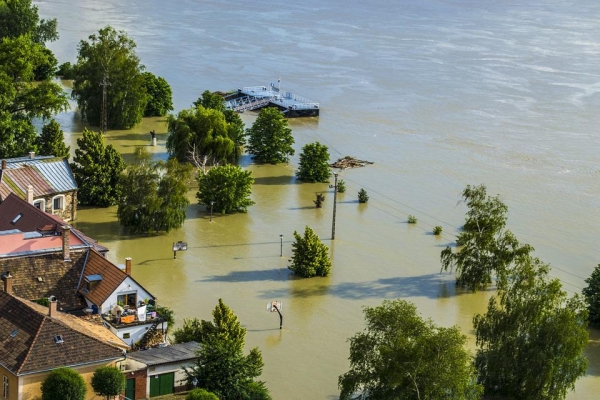
New research led by the University of East Anglia quantifies the benefits of limiting global warming to 1.5°C and identifies the hotspot regions for climate change risk in the future.
 ENN
Environmental News Network -- Know Your Environment
ENN
Environmental News Network -- Know Your Environment

New research led by the University of East Anglia quantifies the benefits of limiting global warming to 1.5°C and identifies the hotspot regions for climate change risk in the future.
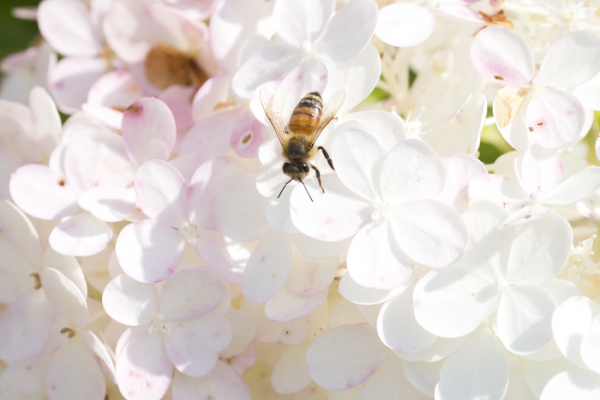
Indiana University researchers have identified a specific bacterial microbe that, when fed to honey bee larvae, can reduce the effects of nutritional stress on developing bees -- one of the leading causes of honey bee decline.
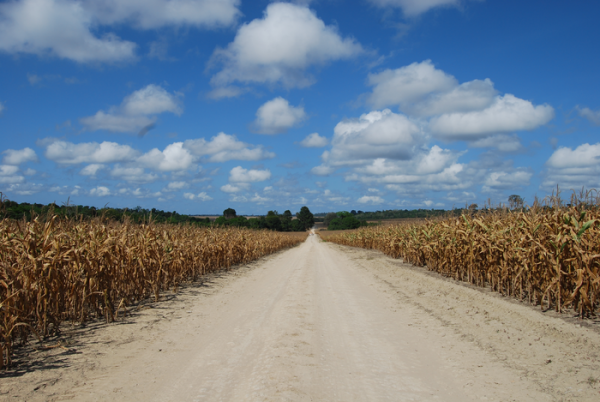
A major study into landscape changes in the Brazilian Amazon sheds new light on the many environmental threats the biome faces – but also offers encouraging opportunities for ecological sustainability in the world’s most biodiverse tropical forest.

A chemical compound discovered in 2019 in Fairbanks’ wintertime air accounts for a significant portion of the community’s fine particulate pollution, according to new research that seeks to better understand the causes and makeup of the dirty air.
As the world fights climate change, will the increasingly widespread use of artificial intelligence (AI) be a help or a hindrance?

Lancaster University researchers have helped to develop a new standard approach to assess how farms affect biodiversity.