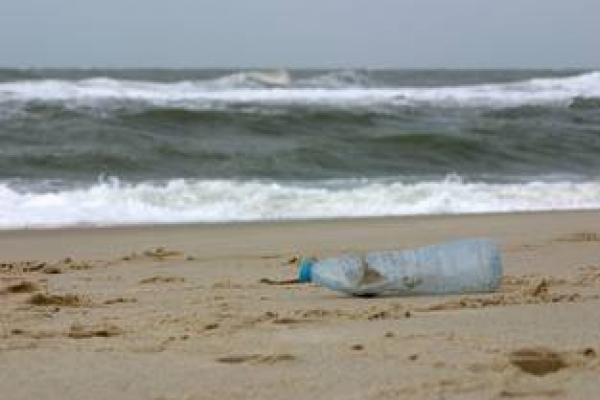
According to estimates, by 2040 the level of plastic pollution could reach 80 million metric tons per year.
 ENN
Environmental News Network -- Know Your Environment
ENN
Environmental News Network -- Know Your Environment

According to estimates, by 2040 the level of plastic pollution could reach 80 million metric tons per year.
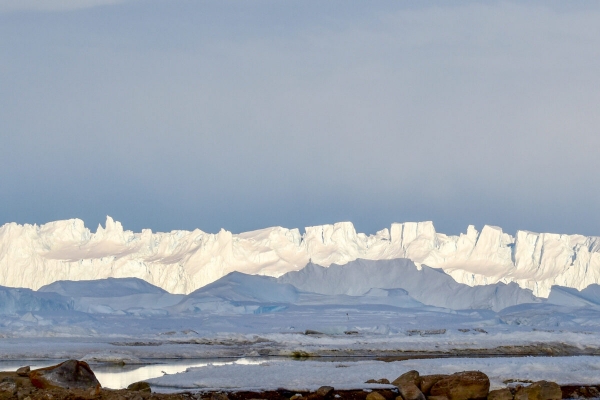
Scientists investigating the underside of the world’s largest ice sheet in East Antarctica have discovered a city-size lake whose sediments might contain a history of the ice sheet since its earliest beginnings.
As rising seas increase saltwater intrusion and soaring temperatures cause greater evaporation, scientists say that the mounting levels of salt in waters and in soils pose a major climate-related danger and could become a leading cause of climate migration globally.

Global warming can result in the spread of peatland vegetation in the Arctic.

A by-product released by use of fossil fuels has been increasing since 1974
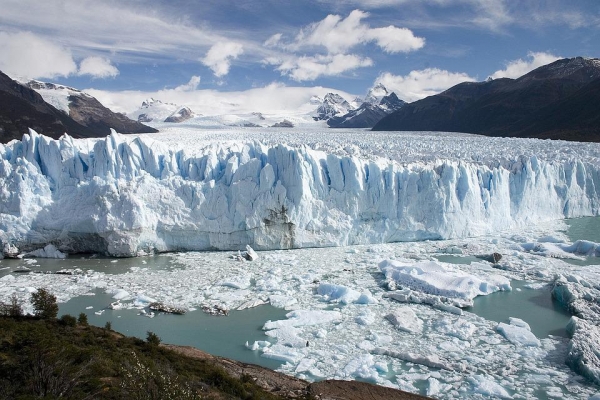
Ice shelves are floating extensions of glaciers. If Greenland’s second largest ice shelf breaks up, it may not recover unless Earth’s future climate cools considerably.