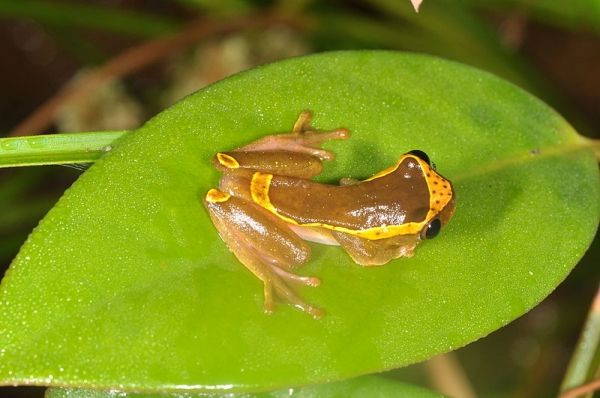
Human activities are causing an “alarming” decline in biodiversity that is endangering food security, clean water, energy supplies, economies, and livelihoods for billions of people worldwide, according to a new United Nations-backed study by 550 scientists, conservationists, and policy experts from over 100 countries.
>> Read the Full Article
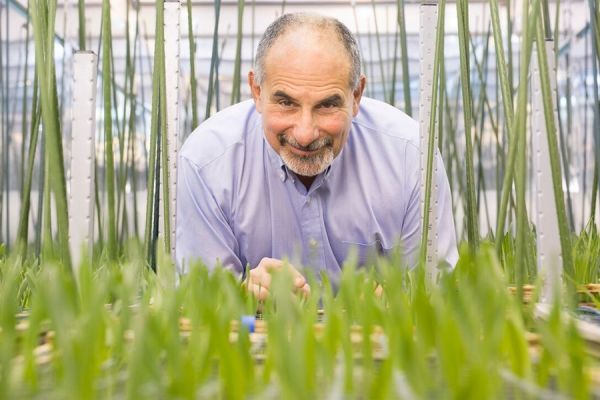
Internationally recognized plant scientist Leon Kochian, Canada Excellence Research Chair (CERC) in Food Systems and Security at the University of Saskatchewan, has been granted $800,000 by Innovation Saskatchewan to equip a new research laboratory that will improve crop productivity and resiliency.
>> Read the Full Article
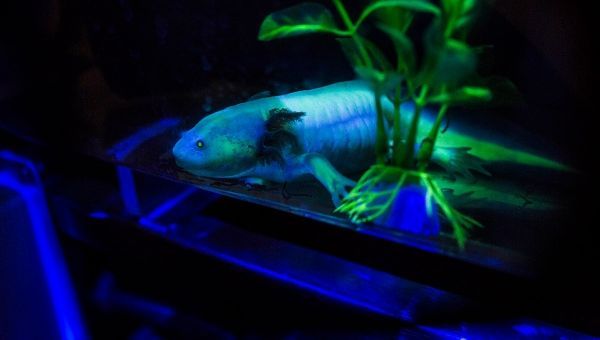
Could glowing salamanders hold the key to long-standing evolutionary questions?
Carleton University Prof. Hillary Maddin in the Department of Earth Sciences wants to find out. Maddin recently acquired four pairs of axolotls, an aquatic salamander species, to assist in research on the evolutionary changes of skull development from the prehistoric era to today.
>> Read the Full Article
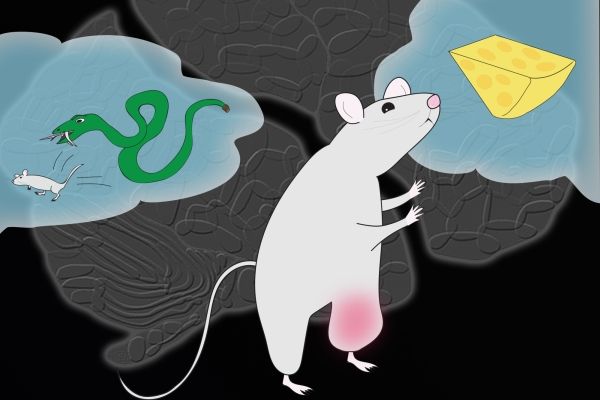
Pain can be valuable. Without it, we might let our hand linger on a hot stove, for example. But longer-lasting pain, such as the inflammatory pain that can arise after injury, can be debilitating and costly, preventing us from completing important tasks. In natural settings, the lethargy triggered by such pain could even hinder survival.
>> Read the Full Article



