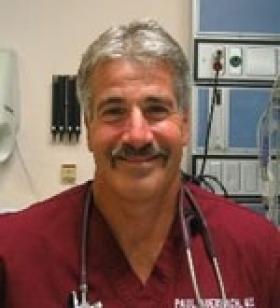
In 2008, Jay Lemery, MD, an emergency physician in Colorado, read a commentary about the effects of global climate change on human health. The author was Paul Auerbach, MD, professor of emergency medicine at Stanford and one of the world’s leading authorities on wilderness medicine.
>> Read the Full Article

Many extreme events — from a rogue wave that rises up from calm waters, to an instability inside a gas turbine, to the sudden extinction of a previously hardy wildlife species — seem to occur without warning. It’s often impossible to predict when such bursts of instability will strike, particularly in systems with a complex and ever-changing mix of players and pieces.
>> Read the Full Article



