

Infectious diseases such as malaria, dengue, and tuberculosis are considered to pose as great a challenge to global health as new or emerging pathogens, according to a major international study led by The Global Health Network at Oxford’s Nuffield Department of Medicine and commissioned by Welcome.
Infectious diseases such as malaria, dengue, and tuberculosis are considered to pose as great a challenge to global health as new or emerging pathogens, according to a major international study led by The Global Health Network at Oxford’s Nuffield Department of Medicine and commissioned by Welcome.
Published in Nature Scientific Reports the research determined insight from 3,752 health professionals and researchers across 151 countries and is one of the largest Global studies of its kind, with 86.9% of participants based in low- and middle-income countries. Participants reported that climate change, poverty, and drug resistance are combining to create an escalating health crisis that could become a ‘creeping catastrophe’ if left unaddressed.
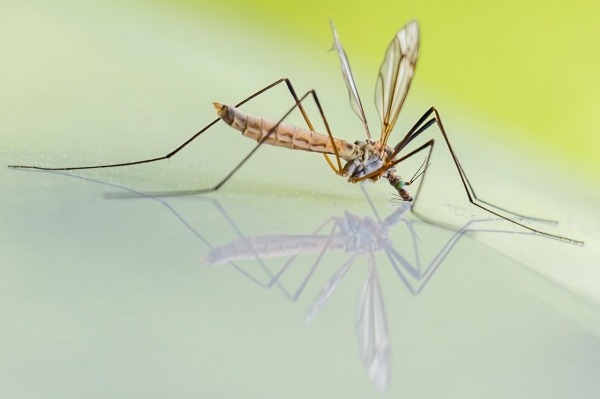
Data gathered in countries across Africa, Asia and Latin America identified that experts throughout the world consider vector-borne diseases such as malaria and dengue as the most rapidly escalating threats, followed by tuberculosis and HIV/AIDS.
Read more at: University of Oxford
Photo Credit: ZoranD via Pixabay


