

A new Danish model for agricultural systems reveals that the green transition in farming is more complex than first assumed.
A new Danish model for agricultural systems reveals that the green transition in farming is more complex than first assumed. The CIRKULÆR model shows that political decisions must consider the entire system – otherwise, we risk missing the mark.
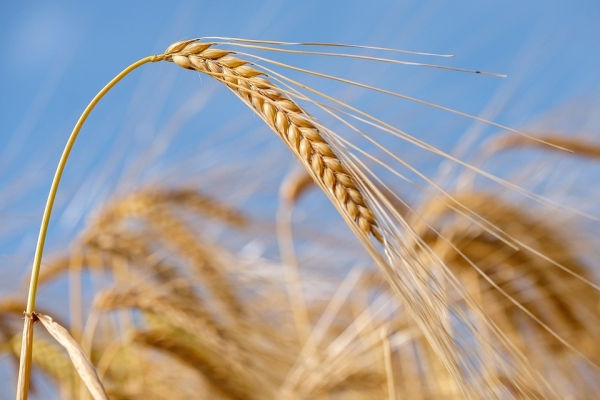
Imagine a grain field in Western Jutland, winter wheat standing tall and golden. Now picture it being ploughed up and replaced with clover grass: one of the crops intended to drive the green transition in Danish agriculture. On paper, it sounds climate-friendly: a form of production-oriented extensification that results in more plant-based protein, less imported soy, and biomass for biogas. But what really happens when we change just one piece of the enormous puzzle that is agriculture?
That question has been explored by researchers at Aarhus University using the CIRKULÆR model: a new tool that calculates climate and environmental effects of changes in farming practices at regional and national levels. The model was developed to help policymakers understand the consequences of the green transition before rolling out new measures.
“Agriculture is not a simple, closed system. When we change one thing, a chain reaction occurs,” explains Henrik Thers from the Department of Agroecology at Aarhus University.
Read More: Aarhus University
Photo Credit: Bru-nO via Pixabay


