

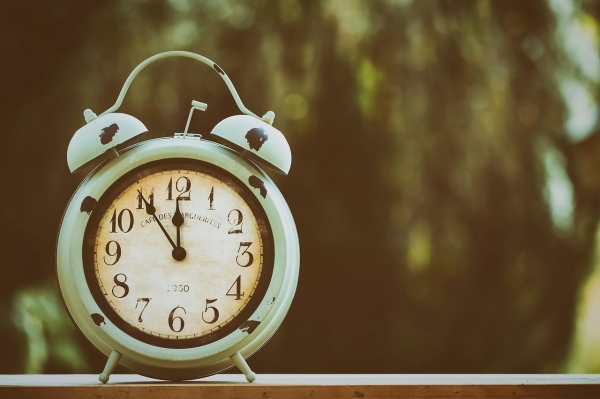
The week after the autumn clock change is associated with a reduction in demand for NHS services for sleep disorders, cardiovascular disease, anxiety, depression, and psychiatric conditions in England, research led by the University of Bristol has found.
The week after the autumn clock change is associated with a reduction in demand for NHS services for sleep disorders, cardiovascular disease, anxiety, depression, and psychiatric conditions in England, research led by the University of Bristol has found. The study is published in the Christmas issue of The BMJ today [17 December].
However, there is little evidence that the spring clock change has any short term effect on the number of health conditions, the research has discovered.
Daylight saving time was introduced during the first world war and involves moving the clocks one hour forward in spring and one hour back in autumn. It operates in around 70 countries and affects a quarter of the world’s population.
However, some studies (mainly outside the UK) have suggested that the clock changes, particularly the spring clock change, have a detrimental effect on health, leading to calls for them to be abolished.
Read More: University of Bristol
Photo Credit: Alexas_Fotos via Pixabay


