

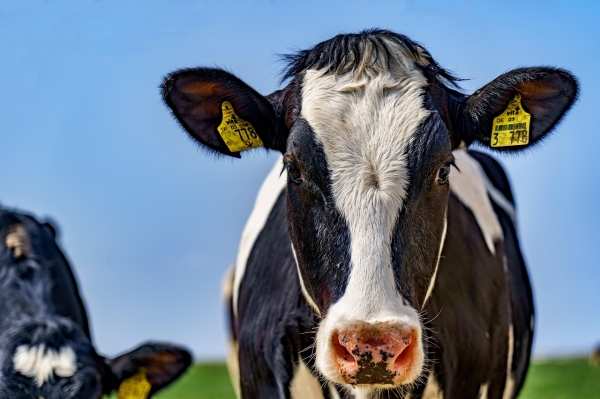
A new international study led by McGill University in collaboration with Jefo Nutrition shows that supplementing dairy cow diets with microencapsulated B-vitamins can significantly reduce greenhouse gas emissions while increasing milk yield and quality.
A new international study led by McGill University in collaboration with Jefo Nutrition shows that supplementing dairy cow diets with microencapsulated B-vitamins can significantly reduce greenhouse gas emissions while increasing milk yield and quality. The use of the feed additive cut global warming potential, an internationally standardized measure of climate impact, by up to 18 per cent across seven countries.
The researchers calculated that its use in Canada alone would reduce carbon emissions by half a million tonnes. To arrive at that figure, they considered emissions not only from cows and their manure, but also from other components of dairy production. such as feed storage and transport.
“Livestock production contributes about 11 to 19 per cent of global emissions, and feed is one of the most accessible levers producers can adjust,” said Ebenezer Miezah Kwofie, study co-author and Assistant Professor of Bioresource Engineering at McGill. “Our goal was to look at what can be done to minimize emissions with feed additives and determine how variation from one region to another changes the dynamic.”
Read More at: McGill University
Photo Credit: bildgebende_Momente via Pixabay


