

Research involving scientists from the University of Plymouth has shed new light on natural processes in East Antarctica that could, over long timescales, help the Southern Ocean absorb more carbon dioxide from the atmosphere.
Research involving scientists from the University of Plymouth has shed new light on natural processes in East Antarctica that could, over long timescales, help the Southern Ocean absorb more carbon dioxide from the atmosphere.
As Antarctica's ice sheets thin due to climate change, newly exposed mountain peaks could significantly increase the supply of vital nutrients to the Southern Ocean which surrounds the continent. This could potentially enhance its ability to absorb atmospheric carbon dioxide, according to the study published in Nature Communications.
A team of scientists with expertise in oceanography, ice sheet modelling and geochemistry contributed to the study which looked at analysis of sediment samples from East Antarctica's Sør Rondane Mountains.
Read More: University of Plymouth
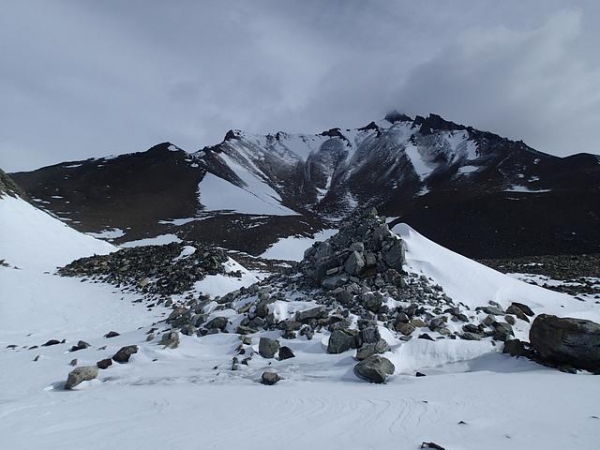
The sun heats up mountains in Antarctica, helping them to break down and deliver smaller rock fragments to glaciers below (Photo Credit: Kate Winter)


