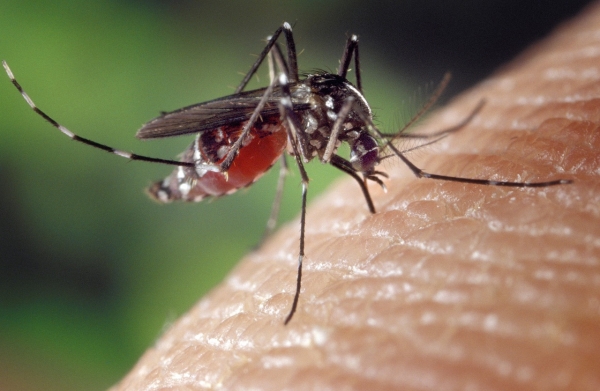
In an ecosystem that’s losing much of its biodiversity, mosquitoes might be shifting to a new food source.
In an ecosystem that’s losing much of its biodiversity, mosquitoes might be shifting to a new food source. Researchers analyzed blood meals of mosquitoes captured in the Brazilian Atlantic Forest and found most meals contained human blood. This strong preference for humans could lead to mosquitoes transmitting more viral diseases and adverse health outcomes for people who live in the area. Studies like this one can contribute to better prevention actions, the team said.
Stretching along the Brazilian coastline, the Atlantic Forest is home to hundreds of species of birds, amphibians, reptiles, mammals, and fishes. However, due to human expansion, only about a third of the forest’s original area remains intact. As human presence drives animals from their habitats, mosquitoes that once fed on a wide variety of hosts might be finding new, human targets to quench their thirst for blood, a new Frontiers in Ecology and Evolution study found.
“Here we show that the mosquito species we captured in remnants of the Atlantic Forest have a clear preference for feeding on humans,” said senior author Dr Jeronimo Alencar, a biologist at the Oswaldo Cruz Institute in Rio de Janeiro.
Read More: Frontiers
Photo Credit: FotoshopTofs via Pixabay