

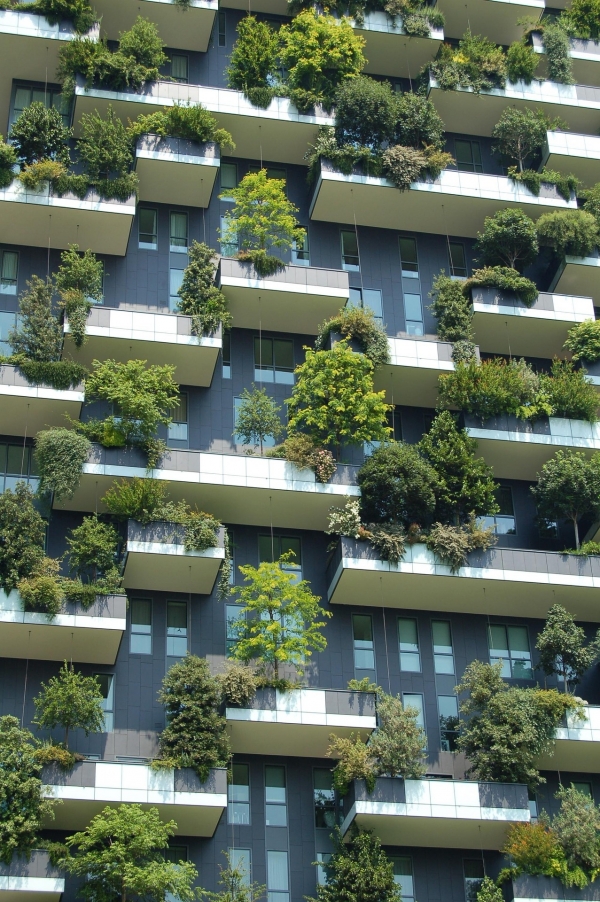
The real estate sector accounts for around one-third of global energy consumption and greenhouse gas emissions, and this is also true in Switzerland.
The real estate sector accounts for around one-third of global energy consumption and greenhouse gas emissions, and this is also true in Switzerland. Given this scale, it is clear that sustainability plays an important role in the industry: “For reasons of reputation alone, institutional investors such as insurance companies or pension funds can no longer afford to invest their money in buildings that are not energy efficient,” explains Professor Pascal Gantenbein, professor of financial management in the Faculty of Business and Economics at the University of Basel.
Users are also increasingly demanding sustainable real estate. According to Gantenbein, international companies in particular require a certain energy standard and corresponding certification before moving into an office building in Switzerland. Last but not least, the industry is facing an increasing number of stricter country-specific regulations and building codes.
Nevertheless, there is still a need for education, says Gantenbein, who has been researching real estate markets for many years: “What’s missing is a common understanding among all stakeholders. Of course, an architect has different interests than a bank that is supposed to finance an energy-efficient renovation. For the real estate sector to develop sustainably, however, investors, financial institutions, project developers, architects and urban planners need to work together.”
Read more at: University of Basel
Photo Credit: Pexels via Pixabay


