

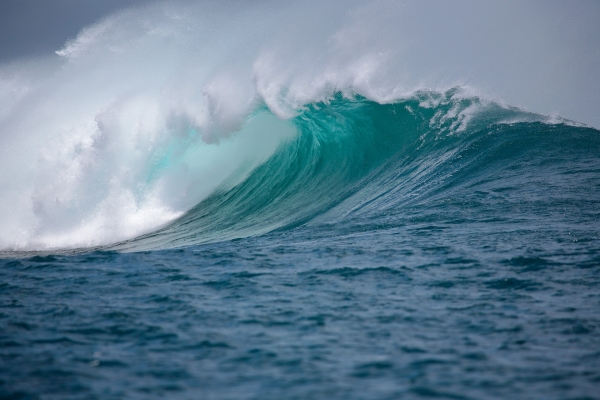
As the Earth warms due to climate change, oceans are heating up, becoming more acidic, and losing oxygen.
As the Earth warms due to climate change, oceans are heating up, becoming more acidic, and losing oxygen. These changes threaten marine life, food webs, and global fisheries. Scientists agree that cutting greenhouse gas emissions is essential, but current efforts are not enough to keep global warming below the 1.5–2 degrees Celsius targets set by the Paris Agreement. Because of this, researchers are exploring climate intervention strategies as possible additions to emissions cuts.
These climate intervention strategies hold promise, but little is known about their potential impacts on the ocean.
In an effort to summarize what is known, as well as to identify some of the most pressing questions still to answer, a group of 26 researchers from around the world has published a review article in the American Geophysical Union journal Reviews of Geophysics. Kelsey Roberts, a visiting scholar in Cornell’s Department of Earth and Atmospheric Sciences, is first author on the article, titled “Potential Impacts of Climate Interventions on Marine Ecosystems.”
Read More at: Cornell University
Photo Credit: Kanenori via Pixabay


