

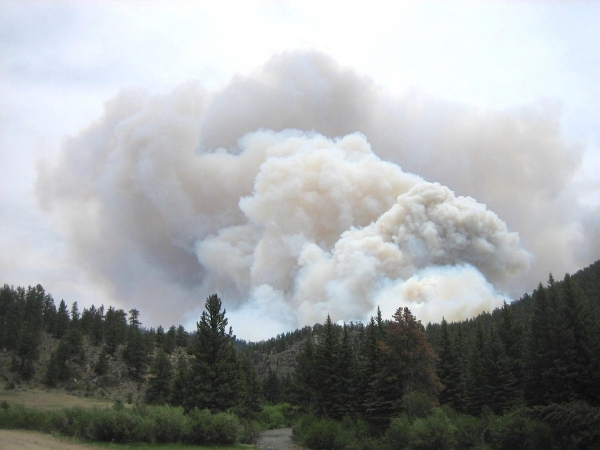
Exposure to wildfire smoke during the final months of pregnancy may raise the risk that a child is later diagnosed with autism, according to a new study led by Tulane University researchers.
Exposure to wildfire smoke during the final months of pregnancy may raise the risk that a child is later diagnosed with autism, according to a new study led by Tulane University researchers.
The study, published in Environmental Science & Technology, analyzed more than 200,000 births in Southern California from 2006 to 2014. Researchers found that children whose mothers were exposed to wildfire smoke during the third trimester were more likely to be diagnosed with autism by age 5.
The strongest association was observed among mothers exposed to more than 10 days of wildfire smoke during the final three months of pregnancy. In that group, children had a 23% higher risk of autism diagnoses compared to those whose mothers were never exposed to smoke from wildfires during pregnancy.
The study is the first to examine the potential link of prenatal wildfire smoke exposure and autism. The findings do not establish a conclusive link between prenatal wildfire exposure and autism but add to growing evidence of the adverse impact of air pollutants on fetal neurological development.
Read More: Tulane University
Photo Credit: Pixabay


