

Antibiotic resistance in human and animal health is on the forefront of public debate, but it’s a less well-known issue in plant agriculture.
Antibiotic resistance in human and animal health is on the forefront of public debate, but it’s a less well-known issue in plant agriculture. However, antibiotics are important tools in fruit production, and their efficacy hinges on avoiding resistance in disease-causing bacteria.
The U.S. does not currently restrict antibiotics use in fruit orchards, but regulatory measures could occur in the future. A new study from the University of Illinois Urbana-Champaign examines how apple growers might respond to a potential ban on antibiotics and how those responses could affect management decisions and profitability.
“The majority of antibiotics in plant agriculture are used on fire blight in pear and apple orchards. Growers face a dilemma, because they must treat their trees to protect them, but they run the risk of overusing the pesticides, so the disease develops resistance,” said lead author Khashi Ghorbani, doctoral candidate in the Department of Agricultural and Consumer Economics, part of the College of Agricultural, Consumer and Environmental Sciences at Illinois.
Read More: University of Illinois College of Agricultural, Consumer and Environmental Sciences
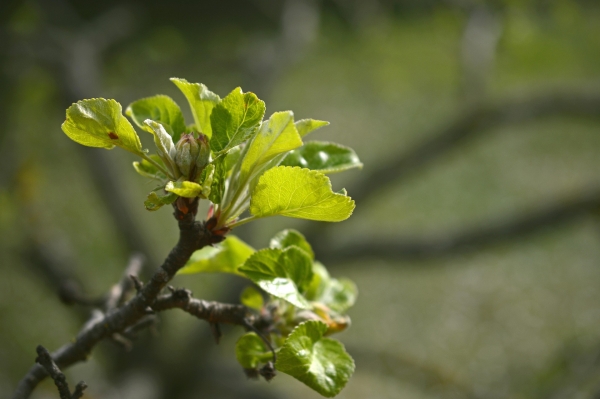
Photo Credit: Peggychoucair via Pixabay


