

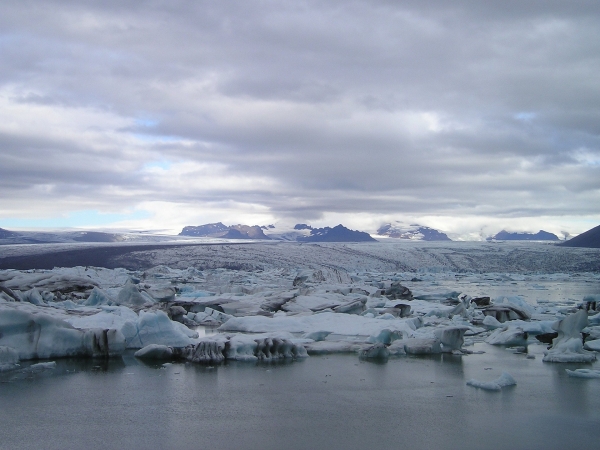
Microbes across Earth’s coldest regions are becoming more active as glaciers, permafrost and sea ice thaw, accelerating carbon release and potentially amplifying climate change, according to a new international review from McGill University.
Microbes across Earth’s coldest regions are becoming more active as glaciers, permafrost and sea ice thaw, accelerating carbon release and potentially amplifying climate change, according to a new international review from McGill University.
Drawing on data from polar and alpine environments worldwide, the researchers found that warming is driving faster microbial metabolism, increasing the breakdown of organic matter and the release of greenhouse gases such as carbon dioxide and methane into the atmosphere. Thawing soils may also free such contaminants as mercury, with implications that extend well beyond polar regions as harmful substances spread through rivers and food webs.
“Cold-climate microbial ecosystems are poised for rapid change,” said Scott Sugden, study co-author and a doctoral student with the Polar Microbiology Lab led by Professor Lyle Whyte in the Department of Natural Resource Sciences. “We know these changes will have significant consequences not only for the global carbon cycle, but also for human communities, food and income security, and toxin release. Yet these ecosystems are changing more quickly than they’re being understood.”
Read More: McGill University
Photo Credit: Simon via Pixabay


