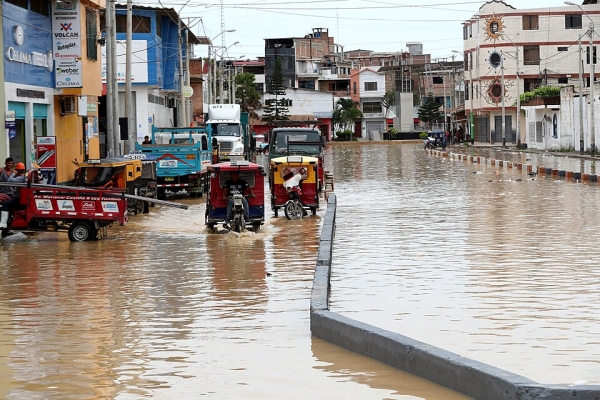
New Stanford-led research traces a direct line from extreme weather to a massive dengue outbreak in Peru. The findings serve as a warning – and the seed of a possible solution.
New Stanford-led research traces a direct line from extreme weather to a massive dengue outbreak in Peru. The findings serve as a warning – and the seed of a possible solution.
Diseases historically absent from the United States have been showing up in Florida, Texas, California, and other U.S. states in recent years. To understand why, look to Peru. That’s where researchers from Stanford and other institutions analyzed the connection between a cyclone and a massive outbreak of dengue fever, a mosquito-borne viral disease that can cause fever, rash, and life-threatening symptoms like hemorrhage and shock. Their findings, published March 17 in One Earth, reveal that warmer, wetter weather linked to climate change is making disease epidemics more likely.
“Health impacts of climate change aren’t something we’re waiting for,” said study lead author Mallory Harris, a postdoctoral scholar at the University of Maryland who conducted the research as a PhD student in biology at Stanford. “They’re happening now.”
Read more: Stanford University
Photo Credit: Ministerio de Defensa del Perú via Wikimedia Commons