A new study analyzing more than 2,300 seawater samples from around the world has found that human-made chemicals — from plastic additives and industrial lubricants to pharmaceuticals and pesticides — are widespread in the marine environment, particularly in coastal and estuarine waters.
A new study analyzing more than 2,300 seawater samples from around the world has found that human-made chemicals — from plastic additives and industrial lubricants to pharmaceuticals and pesticides — are widespread in the marine environment, particularly in coastal and estuarine waters.
The international study, led by scientists from the University of California, Riverside and co-authored by researchers at UC San Diego’s Scripps Institution of Oceanography, found that industrial chemicals, many of which are rarely monitored, were the most abundant and widespread, the researchers report in the journal Nature Geoscience. The study, published March 16, represents one of the most comprehensive chemical meta-analyses of the oceans to date, drawing on samples collected for many different research purposes.
“The human footprint is in everything,” said Lihini Aluwihare, a chemical oceanographer at Scripps and co-author of the study. “What determines whether you find it is whether you look for it in your data."
Read more at: University of California San Diego
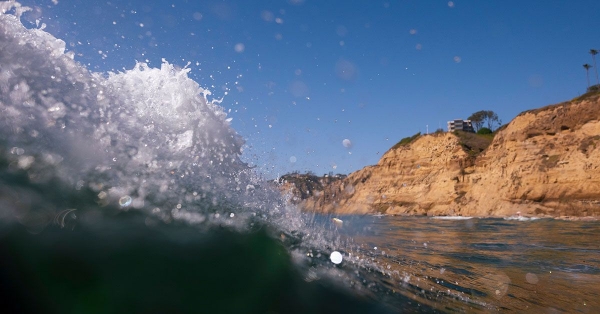
Waves crashing along the San Diego coast. Photo: Erik Jepsen/UC San Diego