Microbial methane leaking from non-producing oil and gas wells is being emitted at rates about 1,000 times higher than previously estimated, according to a new study led by McGill University researchers.
Microbial methane leaking from non-producing oil and gas wells is being emitted at rates about 1,000 times higher than previously estimated, according to a new study led by McGill University researchers.
“Methane is a powerful greenhouse gas when released into the atmosphere, regardless of its origin. In particular, this study implies that non-producing oil and gas wells could continue to emit microbial methane long after the targeted formation has been fully depleted,” said Mary Kang, study co-author and Associate Professor of Civil Engineering.
“However, the exact source of this methane is often unclear because the subsurface is a complex system with multiple gas-bearing formations,” she said.
Read more at: McGill University
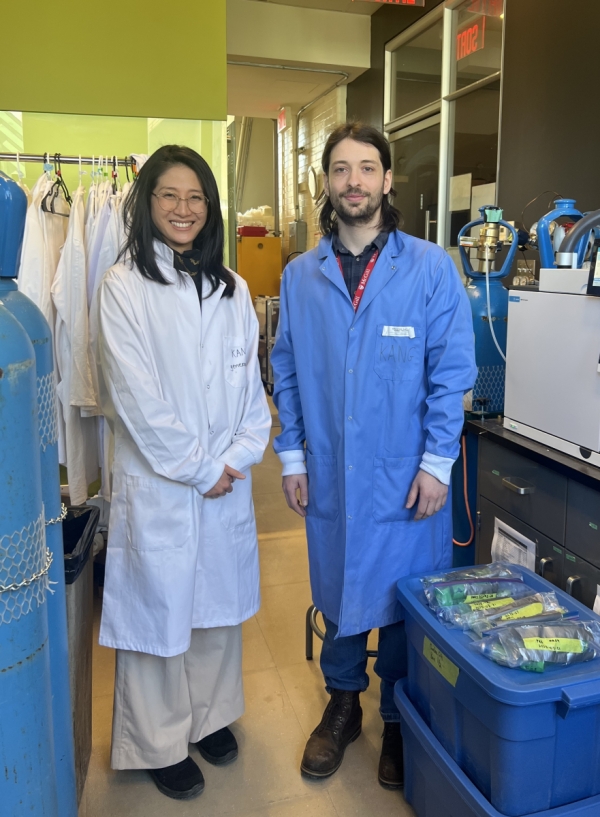
Photo Credit: Mary Kang