

While the world is a big place, humans are making greater and greater demands on the same areas of land.
While the world is a big place, humans are making greater and greater demands on the same areas of land. “This means that, unless we use the same land to serve multiple needs and coordinate this effort through planning, it is unlikely that we will have enough land for conservation, food and energy,” said Grace Wu, a professor in UC Santa Barbara’s Environmental Studies Program.
An international team of researchers looked into the tradeoffs between different land uses, revealing that strategic planning would enable progress toward global biodiversity, climate and sustainable development goals simultaneously. The study, published in Nature Communications, finds that, if an integrated method for land-use planning is employed, future land development would impact 15% fewer species and cut carbon loss by 19%.
The study provides a framework for multi-sector land-use planning that considers the, often overlapping, needs of nature conservation, agriculture and renewable energy. The paper maps these needs around the world, finding that the places needed to meet targets for protected land and productive land frequently intersect.
Read More: University of California - Santa Barbara
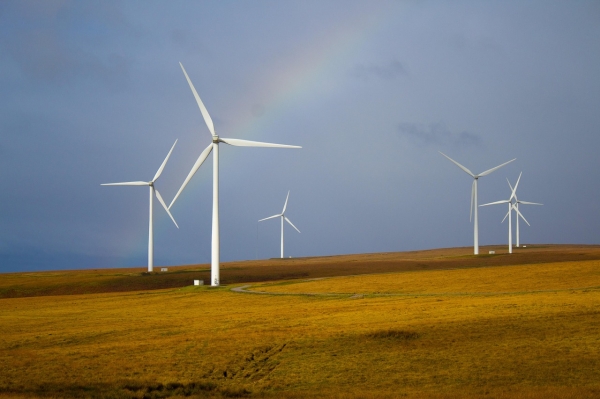
Photo Credit: EdWhiteImages via Pixabay


