No matter how fast a species under threat can move, escape can only be successful if the new destination can meet its needs.
No matter how fast a species under threat can move, escape can only be successful if the new destination can meet its needs.
An ecological modeling study from the University of California, Davis, found that 7% to 16% of global plant species studied are expected to lose more than 90% of their range, facing high risk of extinction by 2100 under current climate change projections.
The study, published today in the journal Science, said habitat loss due to climate change is expected to drive these extinctions, not a plant’s ability to shift locations or “keep pace” with the changing climate.
This suggests that conservation strategies focused on assisted migration, where people facilitate species range shifts, may not reduce global plant extinctions induced by climate change. However, combining such efforts with restoration and protecting climate change refugia may be more effective.
Read More at: University of California Davis
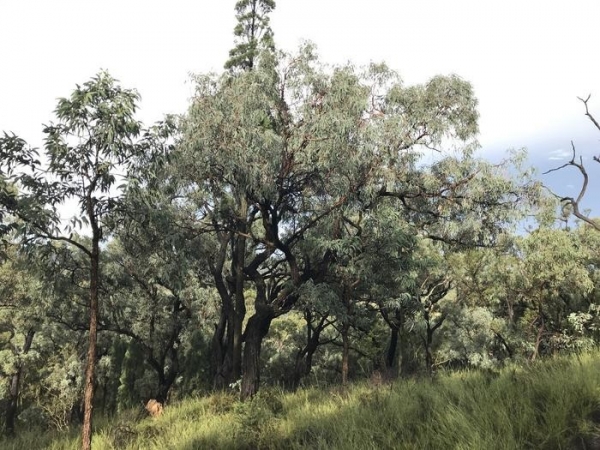
High plant extinction rates are projected for southern Europe, the western U.S. and southern Australia by 2100, posing risks to plant species like these eucalyptus trees growing in Australia. (Photo Credit: Dean Nicolle)