

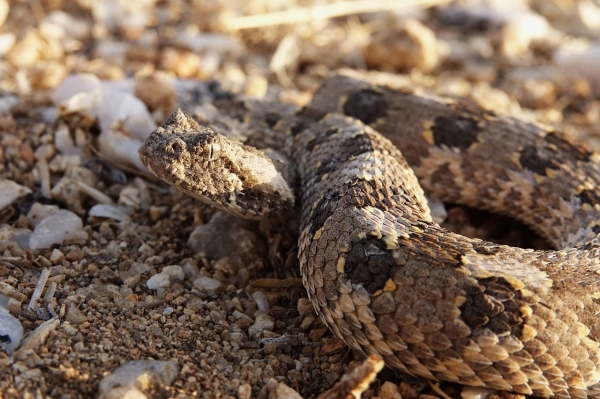
The risk of snakebites is increasing across the world as reptiles shift their habitats to cope with rising temperatures and growing human pressures, a study of venomous snakes has found.
The risk of snakebites is increasing across the world as reptiles shift their habitats to cope with rising temperatures and growing human pressures, a study of venomous snakes has found.
Spitting cobras in Africa, vipers in Europe and South America, cottonmouth moccasins in North America, and kraits in Asia are coming into greater contact with people as a result of climate disruption and landscape change, according to the research, which was led by the World Health Organization.
This trend is forecast to become more pronounced in the coming decades as snakes — like many other species — adjust their range to escape hotter conditions.
Most species will suffer a decline of habitat, but a significant number of the deadliest snakes are likely to spread more widely, taking them into areas where they have not been seen before and potentially affecting billions of people.
Read More: Yale Environment 360
Photo Credit: Thomas_Dörner via Pixabay


