

Lakes play a vital filtering role in the ecosystem: they remove excess nitrogen from the water.
Lakes play a vital filtering role in the ecosystem: they remove excess nitrogen from the water. An international research team led by the University of Basel and Eawag has now shown that climate change could weaken this natural purification process. This would have consequences extending all the way to coastal marine ecosystems.
When we think of lakes, fish and frogs often come to mind, along with birds on the shore or places to swim. But lakes also play a central role in the global nitrogen cycle. Microorganisms convert nitrogen compounds such as nitrate or ammonia into dinitrogen gas (N2), which is released to the atmosphere and effectively removed from the biosphere. This nitrogen removal process is called denitrification.
About 20 percent of natural nitrogen removal in inland waters is attributable to such processes. A new study led by the University of Basel and Eawag shows that this purification function is highly sensitive to warming caused by climate change. The results were published in "Nature Microbiology".
Read More: University of Basel
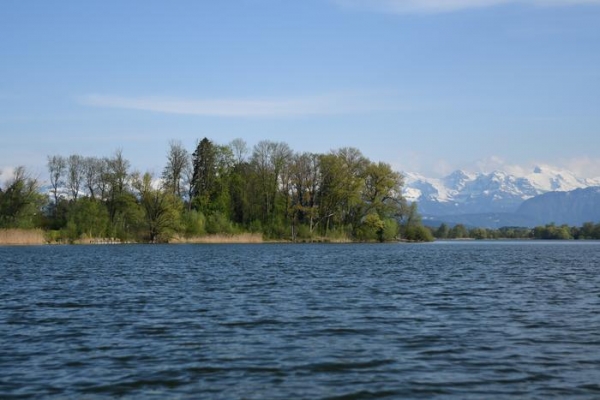
Lakes like Lake Baldegg act as natural nitrogen sinks, helping protect downstream ecosystems from nutrient pollution. Climate warming is weakening this important filtering function (Photo Credit: courtesy of Pro Natura Lucerne).


