

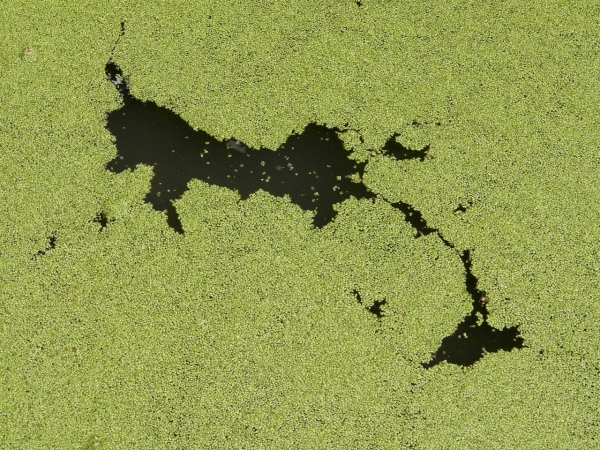
Municipalities and federal agencies monitor U.S. waters for microcystins, a toxin produced by harmful algal blooms in Lake Erie, but a University of Michigan study shows that the blooms produce a greater range of potentially toxic compounds than previously known.
Municipalities and federal agencies monitor U.S. waters for microcystins, a toxin produced by harmful algal blooms in Lake Erie, but a University of Michigan study shows that the blooms produce a greater range of potentially toxic compounds than previously known.
The researchers found that these compounds, called bioactive cyanopeptides, may overlap and interact with each other in ways that amplify their toxicity throughout the season. Now, they say, it will be important to characterize these compounds, determine their toxicity and examine how they interact with each other.
“A lot of people are aware of these algal toxins, but the big picture is that these harmful algal blooms are expanding with climate change, and they’re a real threat to recreation, drinking water and ecosystems,” said senior author Gregory Dick, professor of earth and environmental sciences and of environment and sustainability.
Read More: University of Michigan
Photo Credit: Pixabay


