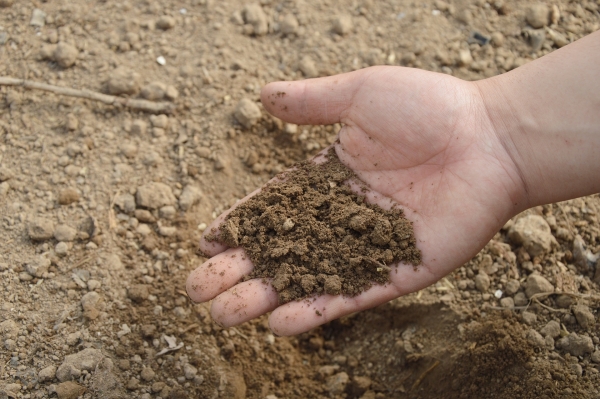
The ability of bacteria to remove pollutants from soil, water, mine waste and other environments could be supercharged by a ‘friendly’ compatible virus, according to a study led by Flinders University.
The ability of bacteria to remove pollutants from soil, water, mine waste and other environments could be supercharged by a ‘friendly’ compatible virus, according to a study led by Flinders University.
The new insights, published in Communications Biology, suggests phage virus ‘bioaugmentation’ offers a compelling new direction for environmental biotechnology, by harnessing the ecological roles of lysogenic phages to enhance microbial function in polluted soils.
Traditional bioaugmentation strategies, while cost-effective and sustainable, face challenges including slow degradation rates and environmental constraints on microbial efficacy.
Read More at: Flanders University
Photo Credit: Jing via Pixabay