

Metal pollution is a widespread issue, typically concentrated near industrial centres, mining areas and towns and cities.
Metal pollution is a widespread issue, typically concentrated near industrial centres, mining areas and towns and cities. It can also be carried to rural areas in the air or through the use of sewage sludge, agrochemicals and fertilisers, for example.
When bees are foraging for food, they can inadvertently collect metals from their environment through exposure to contaminated soil, dust and pollen. Even at low concentrations, certain metals can be toxic, for example impairing learning and memory, which may affect foraging efficiency and navigation. Metals have been linked to reduced reproductive success, leading to fewer offspring and disrupting brood development.
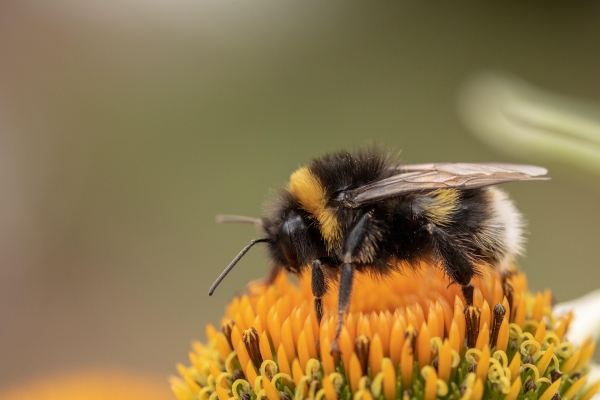
Honeybees have previously been used a proxy for assessing contamination in highly polluted areas. However, in research published in Ecological Entomology, a journal of the Royal Entomological Society, scientists have shown that species of bees accumulate heavy metals differently – with bumblebees particularly vulnerable to exposure.
Read More: University of Cambridge
Photo Credit: Myriams-Fotos via Pixabay


