

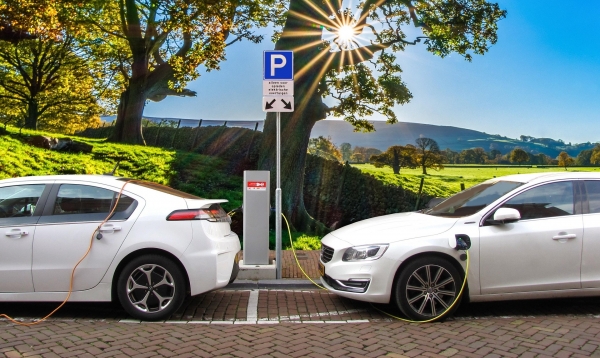
The market for batteries these days is insatiable. Demand has grown more than fortyfold since 2010, thanks mainly to electric cars: Sales of EVs hit 20 million in 2025, or about a quarter of all cars sold globally.
The market for batteries these days is insatiable. Demand has grown more than fortyfold since 2010, thanks mainly to electric cars: Sales of EVs hit 20 million in 2025, or about a quarter of all cars sold globally. Shipping containers packed with batteries are also being called into play to store the electricity from renewables like solar. Storage capacity for solar farms has grown twentyfold in just five years.
This boom has fed a frenzy in battery research and development. “In the past five years, innovation went very, very fast,” says Teo Lombardo, a former battery chemist and now an analyst for the International Energy Agency. “In 2024, over 40 percent of energy-related patents were on batteries. That’s never happened before. That tells you how quickly the market is evolving, and how much interest there is.”
Lithium-ion batteries are today’s gold standard for lightweight, high-powered energy storage for laptops, power tools, smartphones, drones, and electric cars. But now, says Lombardo, two new technologies are attacking lithium-ion’s dominance from either end of the cost spectrum: Cheap but bulky sodium batteries promise to run budget electric vehicles and help to power the grid; and expensive but powerful solid-state batteries offer long ranges for luxury EVs. Meanwhile, plenty of other battery chemistries are being tested in the lab, with hopes that new winners might eventually emerge to power the future.
Read more at: Yale Environment 360
Photo Credit: Joenomias via Pixabay


