

Approximately 90% of the U.S. population relies on public water systems.
Approximately 90% of the U.S. population relies on public water systems. A significant portion of the water supplying those systems comes from forested lands, which means that policies impacting forests also impact our water access.
In 2001, the Clinton administration passed the Roadless Area Conservation Rule, blocking 60 million acres of national forest land from development to limit industrial timber harvest and preserve forest ecosystems. Although popular with the public, the roadless rule drew immediate criticism from timber and related industries. Last summer, the federal government announced plans to rescind it.
A new study from the University of Washington and Conservation Science Partners, published July 15 in PLOS Water, highlights the potential consequences of losing those protections by mapping how the roadless rule protects rivers.
Read More: University of Washington
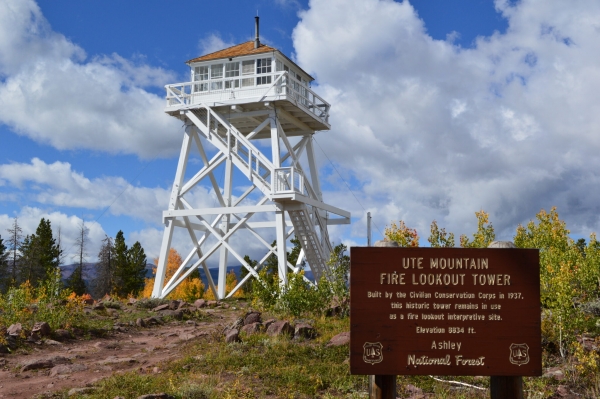
A historic fire lookout in Utah’s Ashley National Forest. Nearly 60% of the total river length within the forest is protected by the roadless rule, contributing to the water supply for Salt Lake City, Las Vegas, Los Angeles and San Diego. (Photo Credit: U.S. Forest Service)


