Nearly 30 years ago, a simple question sent University of Washington researchers into the Puget Sound lowlands to look for birds.
Nearly 30 years ago, a simple question sent University of Washington researchers into the Puget Sound lowlands to look for birds. With Seattle’s population swelling and housing developments pushing into once-forested suburbs, researchers wanted to know how land conversion was impacting birds, and whether the type of development mattered.
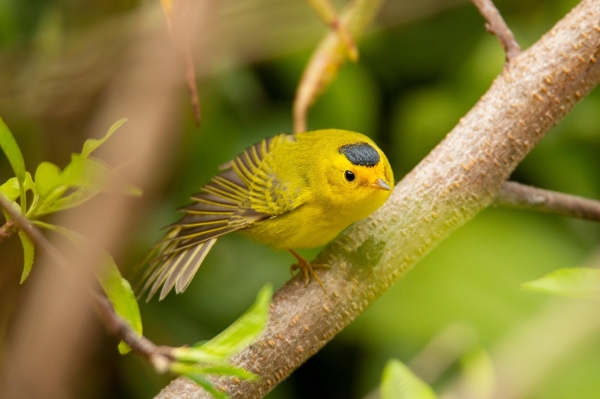
The researchers returned to various development sites three to four times a year to log which birds they saw and heard. They found that when developments preserved native vegetation and tree cover between homes, a wider variety of bird species remained. The difference was most significant to sensitive species that tend to avoid humans — like the Wilson’s warbler and Swainson’s thrush — which fared better in conservation-minded developments.
This study highlights a dynamic that is often overlooked under the assumption that all development is bad for habitat.
“This work shows that birds care how land is developed, which gives developers a choice during the planning process. There are tradeoffs between developments designed for humans and those designed with the ecosystem in mind, but balancing the two can benefit both,” said senior author John Marzluff, UW professor emeritus of environmental and forest sciences.
Read More: University of Washington
Photo Credit: FranciscoJavierCoradoR via Pixabay