

Irrigated mountain hayfields can act as large filtration systems that reduce sediment, phosphorus and other contaminants from runoff, sometimes improving the quality of water flowing back into the environment, Colorado State University research has found.
Irrigated mountain hayfields can act as large filtration systems that reduce sediment, phosphorus and other contaminants from runoff, sometimes improving the quality of water flowing back into the environment, Colorado State University research has found.
The findings result from a producer-driven, three-year study by CSU’s Agricultural Water Quality Program in the Yampa, Gunnison and Colorado River basins.
The examination of agricultural impacts on water quality found consistently low nutrient concentrations in runoff from Colorado hayfields – lower than levels warranting concern and sometimes lower than when the water was applied to fields.
“These irrigated ag lands in the mountains are essentially large grass filter strips,” said Erik Wardle, director of the Agricultural Water Quality Program, who conducted the research. “Their impacts are very low, and in some cases, they even have the potential to clean the water, depending on management and localized conditions.”
Read More: Colorado State University
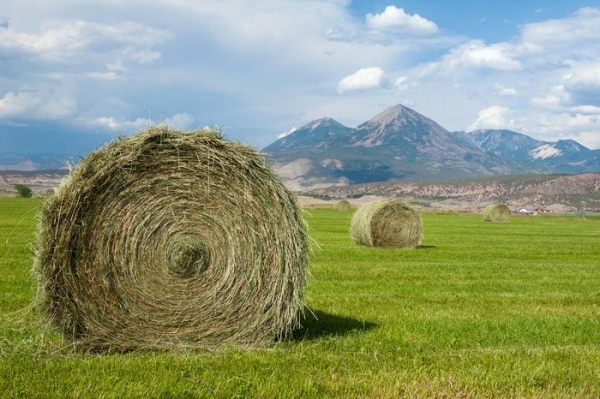
Image: Hay bales in a field near Crawford, Colorado. Colorado State University research has found that irrigated mountain hayfields have low impact on surface water and sometimes filter nutrients and sediment from water. Photo by William A. Cotton/CSU. (Credit: Colorado State University)


